
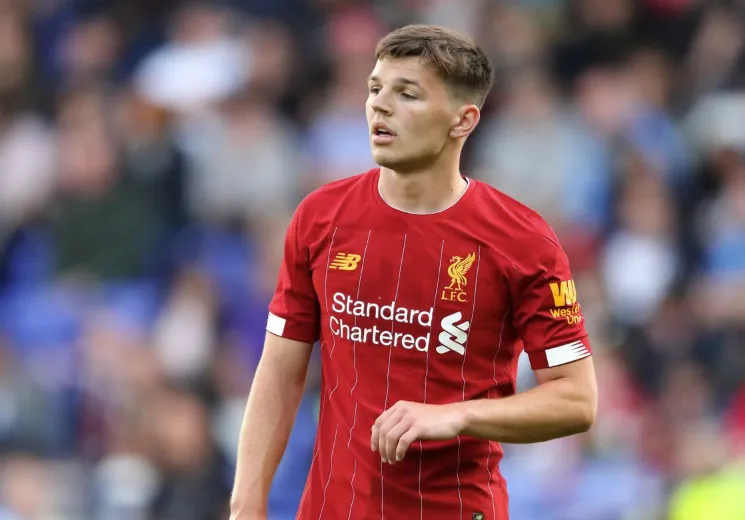
The world of football transfers is often a high-stakes game of poker, played out in boardrooms and through the media. The recent move of young Liverpool striker Bobby Duncan to Fiorentina has provided a dramatic case study, not just in player development, but in the powerful, and sometimes controversial, role of the modern football agent. His representative, Saif Rubie, has made headlines with bold public statements following the deal, turning a routine transfer into a major talking point. Here at Mostbet, we delve into the details of this saga, analyzing the claims, the context, and what it means for the future of the talented teenager.
The Spark: A Talent Seeking a Path
Bobby Duncan, cousin of Liverpool legend Steven Gerrard, arrived at Anfield from Manchester City’s academy with a burgeoning reputation. A prolific scorer at youth levels, expectations were naturally high. However, the path to the first team at a club like Liverpool, especially in a forward line boasting Mohamed Salah, Sadio Mané, and Roberto Firmino, is notoriously steep. For a young player eager for senior minutes, patience can wear thin, and this is where the agent‘s role becomes crucial.
Saif Rubie, a well-known figure in football circles, took a notably public and aggressive approach in advocating for his client. Last summer, reports emerged of a dispute over Duncan’s future, with Rubie reportedly issuing a statement accusing Liverpool of causing the player “deep mental health issues” by blocking a potential move. The club strongly denied these allegations. This public fallout set the stage for a tense relationship.
The Deal and the Declaration
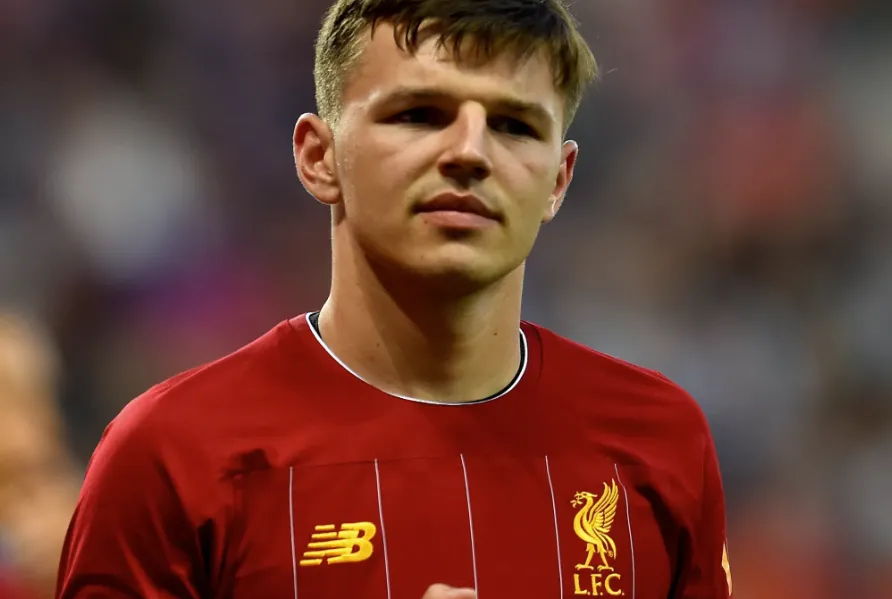
Fast forward to the recent transfer window, and a resolution was found. Liverpool agreed to sell the 19-year-old Duncan to Serie A side Fiorentina. While the financial details were modest, the significance lay in the player securing a fresh start at a prestigious European club. For most, this would be seen as a sensible, if unspectacular, conclusion.
However, Saif Rubie chose to frame it as a victory. Taking to social media, the agent posted a boastful message, essentially taking credit for forcing the move and securing his client’s desired exit. The tone was one of triumph, suggesting a narrative of a player liberated from a stifling situation. This public gloating is relatively rare in an industry where deals are often smoothed over with diplomatic language, and it immediately caught the attention of fans and pundits alike.

As football analyst Mark Thompson commented in a recent piece we referenced at Mostbet, “The agent’s post-transfer commentary is fascinating. It’s a power play. It’s designed to send a message to other clubs and players about his effectiveness, but it also risks burning bridges and defining a player’s departure in unnecessarily negative terms.”
Analyzing the Agent’s Playbook
This incident throws a spotlight on the evolving tactics of football intermediaries. The traditional backroom negotiator is increasingly becoming a public-facing advocate, using media and social platforms to apply pressure. Rubie’s strategy involved creating a public narrative of discontent, which arguably increased the urgency for Liverpool to find a solution, even if not on initially ideal terms.
From a club’s perspective, such public maneuvers can be disruptive. Liverpool, like all top clubs, have a vast academy full of talented players competing for a handful of spots. Managing expectations and pathways is a delicate balance. Public disputes can affect squad morale and the club’s reputation for handling young talent.
Yet, from the agent‘s viewpoint, his primary duty is to his client. If Duncan believed his development was stalling and a move was essential, then the agent’s job is to facilitate that by any (legal and ethical) means necessary. In a crowded market, securing a move to a club like Fiorentina for a player with no senior experience could be seen as a success.
The Road Ahead for Bobby Duncan
Ultimately, the noise of the transfer will fade, and football will take centre stage. The real story now begins in Florence. Fiorentina offers Duncan a clean slate and a chance to prove himself in one of Europe’s top leagues. The pressure is on; he must now justify the faith of his new club and the relentless advocacy of his agent.
The Mostbet view is that this saga is a modern parable of football’s complexities. It highlights the tension between club asset management and individual career ambition, amplified by the megaphone of social media and assertive representation. For every young talent, the journey is unique. Some thrive with patience at a giant club, while others need a bold leap elsewhere. Bobby Duncan has taken his leap. His performance on the pitch for Fiorentina will be the only true measure of whether this controversial transfer strategy was the correct one.
# Bobby Duncan’s Agent Boasts After Liverpool Sell Youngster to Fiorentina
This case serves as a potent reminder that in today’s football, transfers are about more than just fees and contracts—they are about narratives, pressure, and perception. We at Mostbet will be watching Duncan’s progress in Italy with great interest. What are your thoughts on the role of agents in modern football? Was this public strategy justified, or does it set a concerning precedent? Share your opinions in the comments below and explore more in-depth football analysis right here on our platform.
