
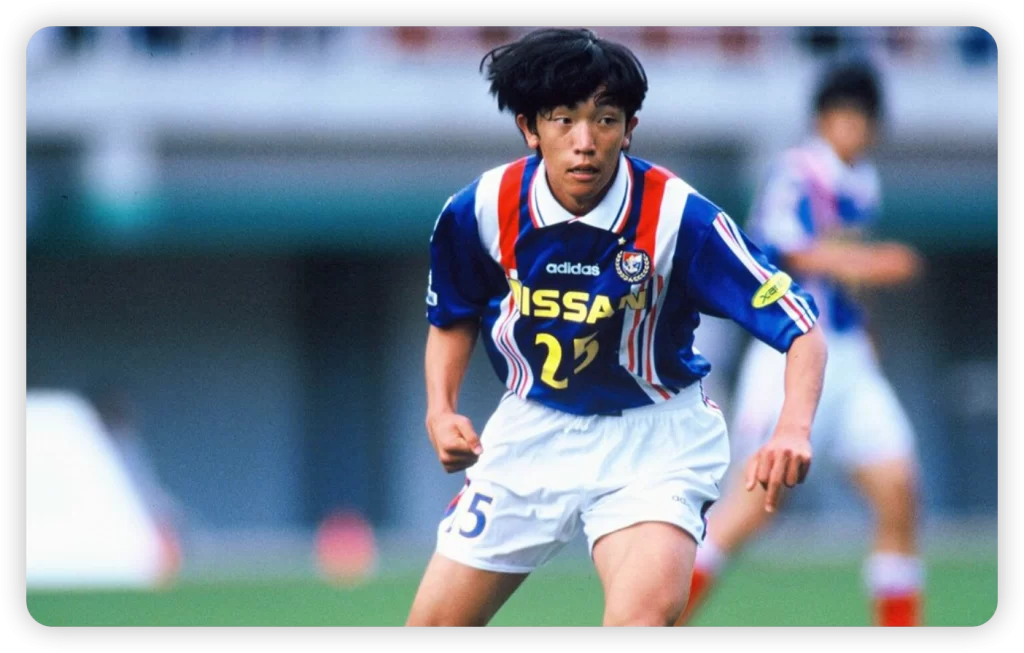
The world of football transfers is often a whirlwind of rumors, big-money moves, and last-minute drama. But sometimes, a story emerges that is less about the glitz and more about the gritty realities of contracts, promises, and a player’s legacy. One such tale revolves around Japanese midfield maestro Shunsuke Nakamura and the Italian club Reggina. While many fans remember his glorious spells at Celtic and Yokohama F. Marinos, a contentious chapter from his early career involving Reggina has resurfaced in discussions, offering a stark reminder of the business behind the beautiful game. Mostbet delves deep into this historical dispute to separate fact from fiction.
The Promise of a Italian Dream
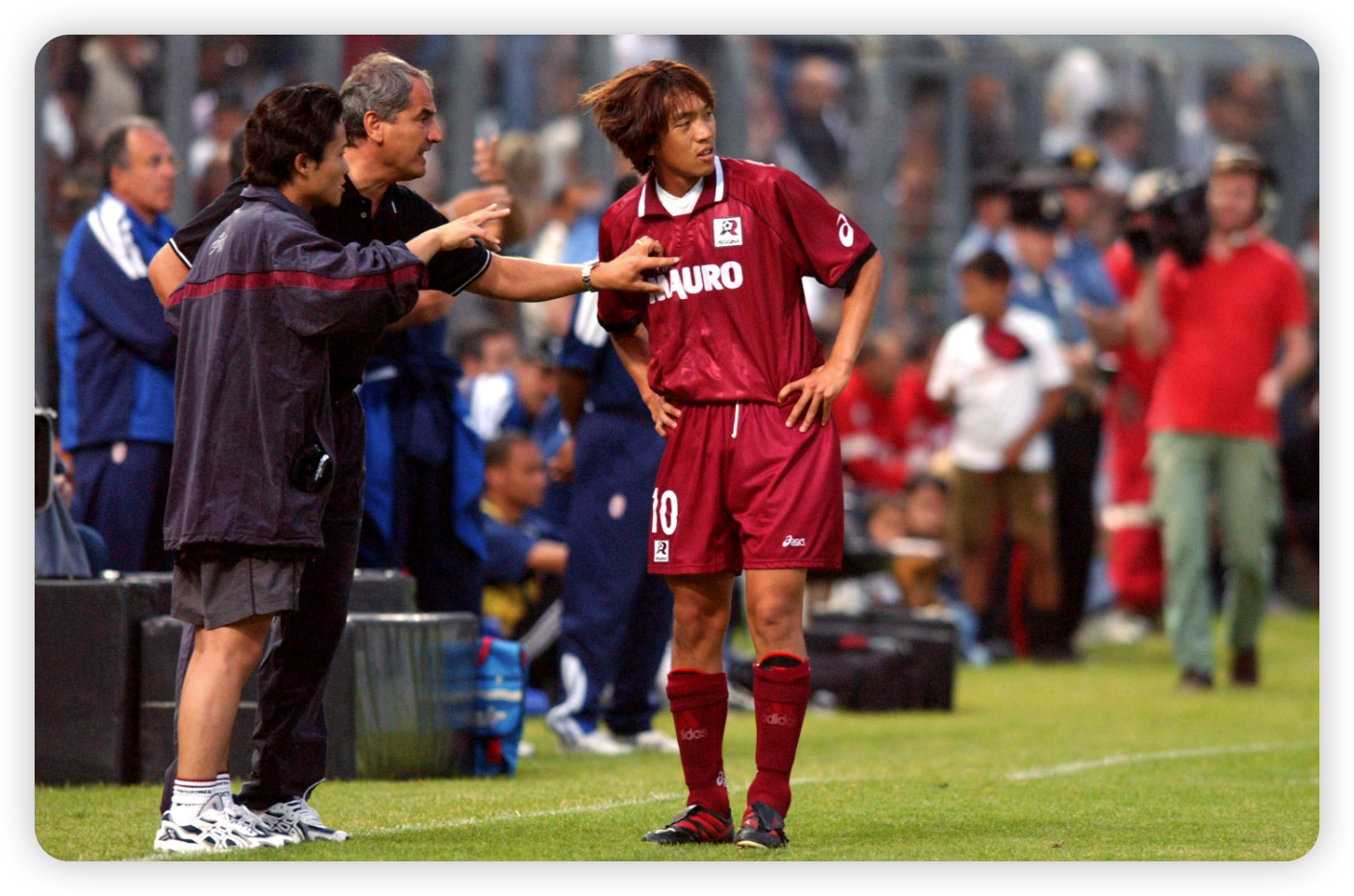
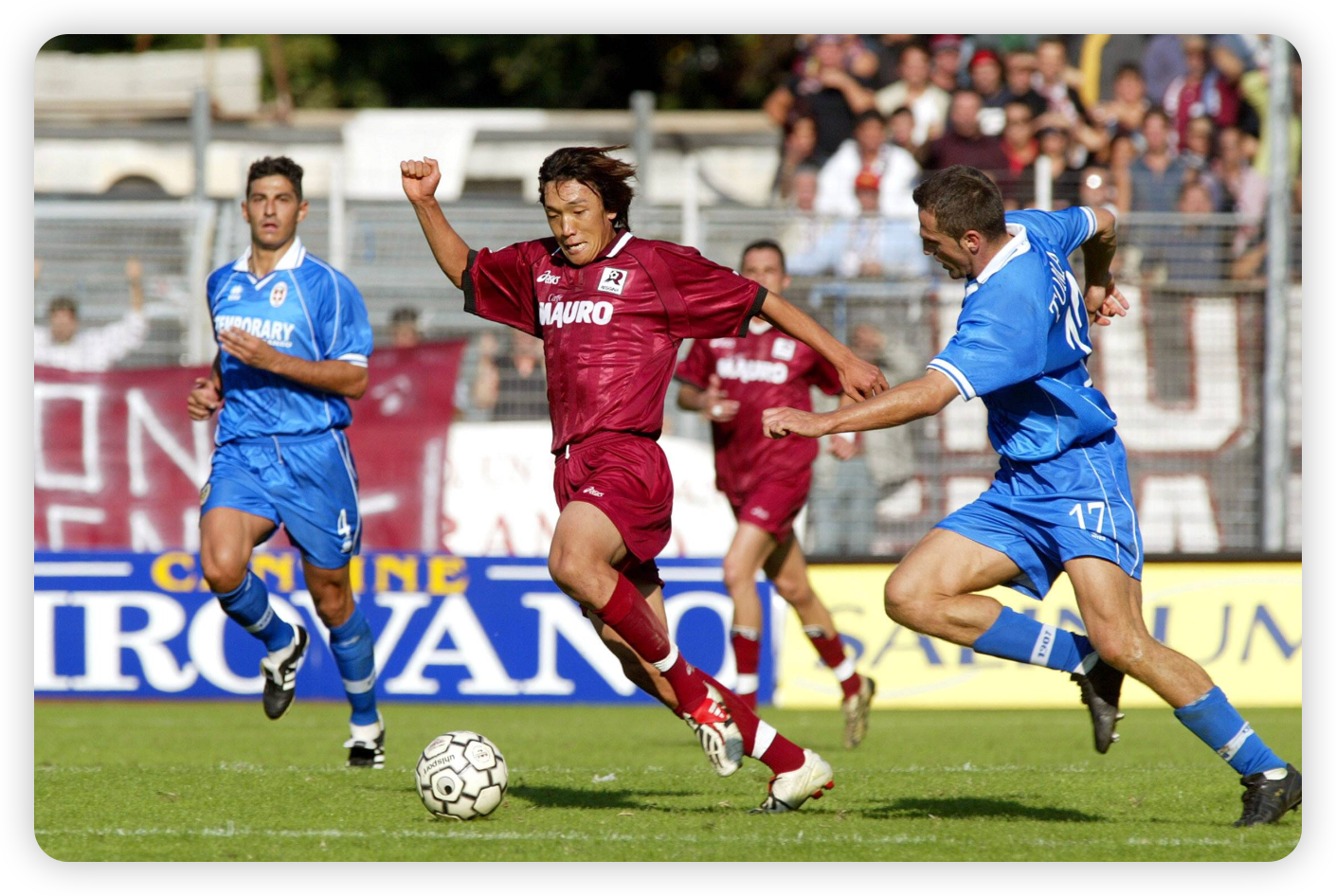
In the mid-2000s, Shunsuke Nakamura was establishing himself as one of Asia’s premier football exports. After a successful stint in Italy with Reggina from 2002 to 2005, where he became a fan favorite for his sublime free-kicks and playmaking, he moved to Scottish giants Celtic. His time in Glasgow was legendary, cementing his status as a club icon. However, as his contract with Celtic approached its end in the summer of 2009, an intriguing clause came to light.
Reports from the time, corroborated by sources close to the player, suggested that Reggina held a “first option” or a pre-negotiation agreement tied to Nakamura’s initial transfer to Celtic. The understanding was that if Nakamura were to leave Celtic, Reggina would have the first right to negotiate his return. For fans of the Calabrian club, this sparked hopes of a heroic homecoming for the player who had given them so many memorable moments.
The Dispute That Followed
When Nakamura eventually left Celtic in 2009, instead of heading back to Serie A, he shocked many by signing for La Liga’s Espanyol. This move immediately triggered a strong reaction from Reggina. Club officials were reportedly furious, claiming that the agreement with Celtic had been breached. They felt they had been denied their contractual right to discuss terms with the player.
From Nakamura and his representatives’ perspective, the situation was viewed differently. Insights from football agent Marco Bianchi, who has operated in the Italian and Asian markets for over two decades, shed light on such clauses. “These ‘first option’ agreements are often more symbolic than legally ironclad,” Bianchi explained in an analysis for Mostbet. “They typically obligate the selling club to inform the former club of an offer, but the final decision always rests with the player. His ambitions, family considerations, and the sporting project on offer are paramount.”
It appears that Nakamura’s camp believed the clause had either expired or was not a binding obligation on the player himself, but rather an inter-club agreement. Espanyol, offering top-flight football in Spain’s La Liga, presented a new and exciting challenge that ultimately appealed more to the Japanese star than a return to a Reggina side that was struggling at the time.
Legacy and Lessons Learned
The “row” eventually faded from headlines as Nakamura focused on his career in Spain and later his return to Japan. For Reggina, the episode was a frustrating footnote in a difficult period. For observers, it became a classic case study in the complexities of football contracts and the often-misunderstood nature of transfer clauses.
The incident highlights the importance of clarity in agreements. As noted by sports lawyer Elena Rossi in a recent seminar on international transfers, “Disputes like the Nakamura-Reggina case often stem from ambiguous language. Clubs and agents must ensure that terms like ‘first option’ or ‘first refusal’ are explicitly defined—detailing timeframes, triggering conditions, and the exact rights and obligations of all parties, especially the player.”
Mostbet Conclusion: A Faded Controversy with Lasting Relevance
While the direct conflict between Shunsuke Nakamura and Reggina is now a piece of footballing history, its themes remain utterly relevant in today’s transfer market. It underscores the delicate balance between club agreements and a player’s autonomy. For fans, it’s a reminder that the path of a footballer’s career is dictated by more than just sentiment; it’s a professional decision influenced by ambition, timing, and sometimes, the fine print.
At Mostbet, we strive to bring these nuanced stories from the world of sports to light, providing context and expert insight beyond the scores. What do you think about such contractual clauses? Should players be more bound by them, or is their freedom to choose their next club sacrosanct? Share your thoughts in the comments below and explore more deep-dive analyses on our site.
