

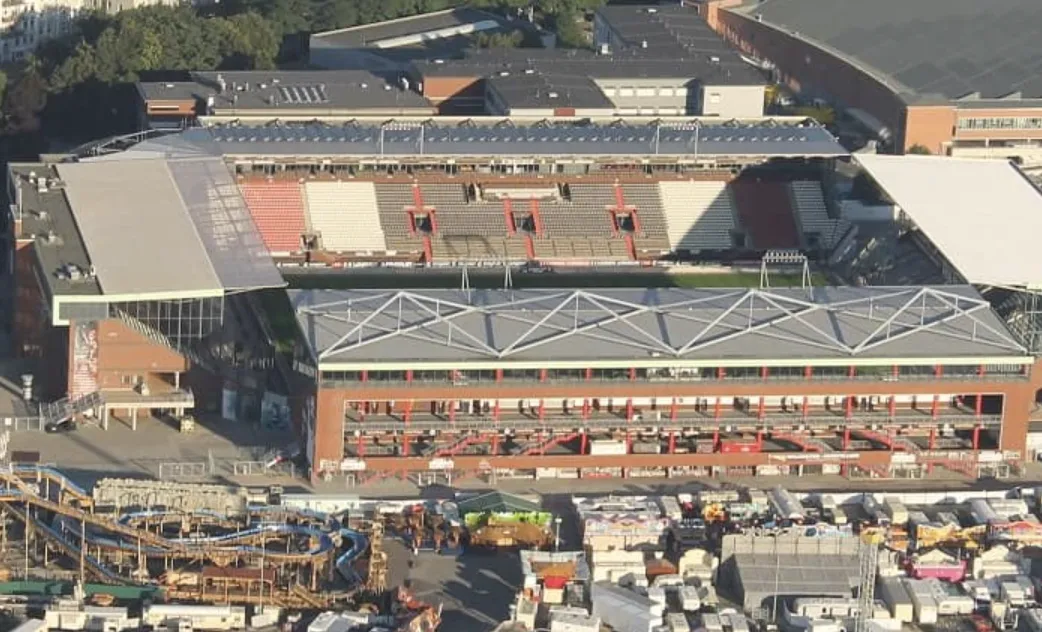
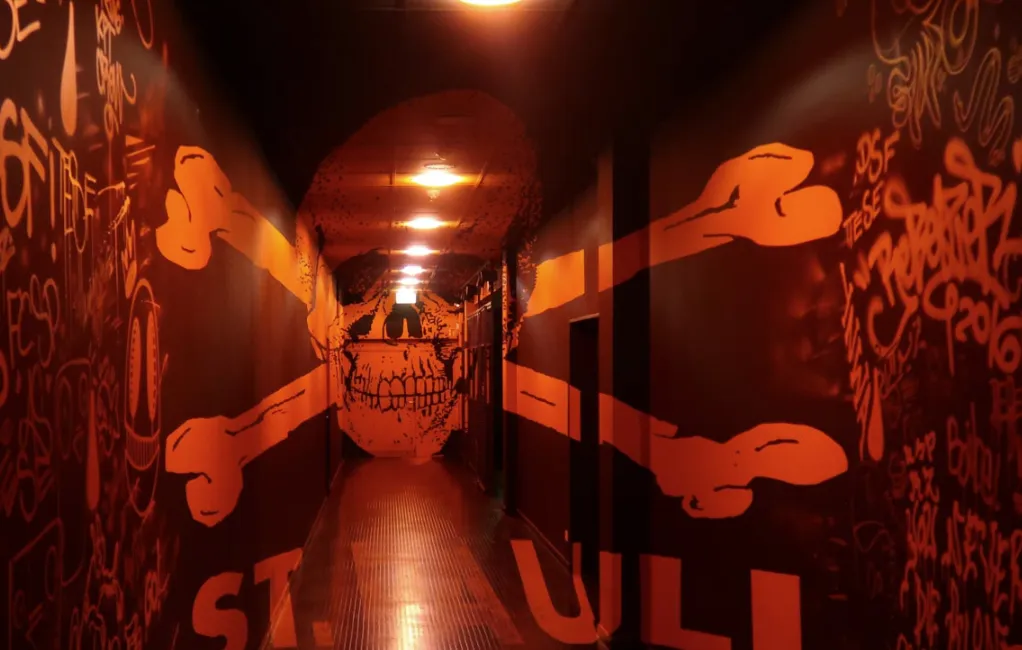
The legendary German club St. Pauli has taken their matchday atmosphere to a whole new level with a spine-tingling pre-match ritual that’s sending shivers through visiting teams. The club, known globally for their rebellious culture and passionate fanbase, has introduced what they call “The Tunnel” – a dark, narrow corridor that visiting players must navigate before stepping onto the pitch at Millerntor Stadium. This isn’t just any tunnel; it’s a psychological weapon designed to unsettle opponents before a single ball is kicked.
For those who follow European football closely through platforms like Mostbet, this innovation represents a bold statement from a club that prides itself on being different. The tunnel experience has become a talking point across the football world, with players and managers describing it as “scary” and “unsettling.” Let’s dive deep into what makes this tunnel so intimidating and why it matters.
A Tradition Born from Innovation
The concept of “The Tunnel” emerged from St. Pauli’s desire to create a unique home advantage. While many clubs rely on loud music, fireworks, or passionate fans in the stands, St. Pauli took a more psychological approach. The tunnel is intentionally kept narrow, dark, and cramped, forcing visiting players to squeeze through while feeling the weight of the stadium’s atmosphere pressing in on them.
Why the Tunnel Works
The idea behind this design is rooted in sports psychology. When players enter an unfamiliar, confined space, their senses become heightened, and stress levels increase. According to Dr. Markus Fischer, a sports psychologist at the University of Hamburg, “The tunnel creates a subconscious sense of vulnerability. Players feel trapped, even if only for a few seconds. That feeling can linger into the first few minutes of the match.”
- Narrow passagesprevent players from moving comfortably
- Dark lightinglimits visual orientation
- Sound echoesfrom the crowd create a chaotic sensory experience
The tunnel isn’t just about scaring opponents; it’s about reinforcing St. Pauli’s identity as a club that thrives on being unconventional and hostile to outsiders. This matches perfectly with the club’s motto: “St. Pauli against everyone.”
How It Compares to Other Stadiums Around the World
While many stadiums have intimidating tunnels, St. Pauli‘s stands out for its deliberate design. Let’s look at how it stacks up against other famous examples:
Liverpool’s “This Is Anfield” Tunnel
At Anfield, the famous “This Is Anfield” sign sits above the tunnel, reminding players of the legendary figures who have walked through it. While this creates a sense of history and pressure, it’s more about respect than fear.
Celtic Park’s Tunnel
Celtic Park’s tunnel is relatively modern but benefits from 60,000 passionate fans creating an electrifying atmosphere. The tunnel itself is functional, but the noise from the stands is legendary.
St. Pauli’s Tunnel: The Dark Horse
Unlike these historic examples, St. Pauli’s tunnel relies entirely on physical and sensory disorientation. There are no banners, no signs, no history lessons – just pure, raw intimidation. As visiting striker Thomas Müller once remarked, “You feel like you’re walking into a cage, not a football pitch.”
Visiting teams have reported feeling more anxious after experiencing the tunnel. This psychological edge has translated into tangible results for St. Pauli, especially in tight matches where the home crowd can feed off the energy created by the pre-ritual.
The Fan Factor: More Than Just a Tunnel
St. Pauli‘s identity extends far beyond the tunnel. The club is famous for its anti-racist, anti-fascist, and inclusive values. Their fans are among the most passionate and loudest in Germany, creating an atmosphere that’s both intimidating and inspiring. The tunnel is just one element of a broader matchday experience designed to make visiting teams feel unwelcome.
How Fans Contribute to the Atmosphere
- Choreographed displaysin the stands before the match
- Constant singingthroughout the 90 minutes
- Flags and bannersthat cover the entire stadium
- Smoke bombs and pyrotechnics(though controversial) that add to the visual chaos
The combination of the tunnel and the fan atmosphere creates a feedback loop. Players emerge from the tunnel already on edge, and then face a wall of noise and color from the stands. For those analyzing matches on Mostbet, this psychological factor often explains why St. Pauli performs so well at home against stronger opponents.
What Players and Managers Say
Much of the intrigue surrounding the tunnel comes from the reactions of those who have experienced it firsthand. Here are some notable quotes:
| Player/Manager | Reaction |
| Julian Nagelsmann (Bayern Munich manager) | “It’s like walking into a dungeon. You’re immediately on alert.” |
| Robert Lewandowski (former Dortmund striker) | “It throws you off your rhythm. You’re thinking about the tunnel instead of the game.” |
| Lucien Favre (ex-Borussia Dortmund coach) | “My players came out looking confused. That’s not good for any team.” |
Jason Lewis, a football journalist covering the Bundesliga, noted: “St. Pauli has weaponized the pre-match walk. Teams don’t just lose points at Millerntor; they lose their composure before the match even starts.”
A Psychological Tool or a Gimmick?
Some critics argue that professional footballers should be immune to such tactics. After all, they perform in front of thousands every week. However, sports psychologists disagree. Studies have shown that unexpected sensory stimuli can disrupt even the most experienced athletes’ preparation routines. The tunnel’s darkness and narrowness are designed to trigger a primitive fight-or-flight response.
“I’ve spoken to several players who described feeling claustrophobic,” says Dr. Fischer. “That feeling of being trapped, combined with the anticipation of a match, creates a potent cocktail of anxiety. It’s not about whether the tunnel itself is scary; it’s about the timing. It interrupts their mental preparation at the worst possible moment.”
The Future of Stadium Intimidation
St. Pauli’s success with the tunnel has sparked conversations among other clubs about how to replicate or surpass this innovation. Could we see more clubs investing in psychological intimidation tactics? The answer is likely yes.
Potential Trends
- Dark tunnel designsbecoming more common in new stadiums
- Sound systemsthat create disorienting noises during the walk
- Lighting tricksto confuse depth perception
- Temperature controlin tunnels to create discomfort
For fans following the latest developments on Mostbet, this isn’t just a quirky story; it’s a glimpse into the future of matchday psychology. As teams seek any edge, the pre-match environment will become more important.
Conclusion
St. Pauli’s innovative tunnel has quickly become one of the most talked-about features in German football. By combining psychological principles with their unique club culture, they’ve created a matchday experience that’s both intimidating and unforgettable. While some may dismiss it as a gimmick, the evidence suggests that it works, contributing to St. Pauli’s impressive home record.
As the club continues to challenge conventions, the tunnel serves as a reminder that in football, every detail matters. From the narrow corridors to the roaring fans, St. Pauli has mastered the art of making opponents feel unwelcome long before the first whistle blows. Whether you’re a neutral fan or a Bundesliga enthusiast, watching St. Pauli’s tunnel pre-show is an experience you won’t soon forget.
What do you think about this psychological tactic? Could other clubs benefit from similar innovations? Drop your thoughts in the comments, share this article with fellow football fans, and continue exploring more stories about the beautiful game’s quirkiest traditions on our platform!
