
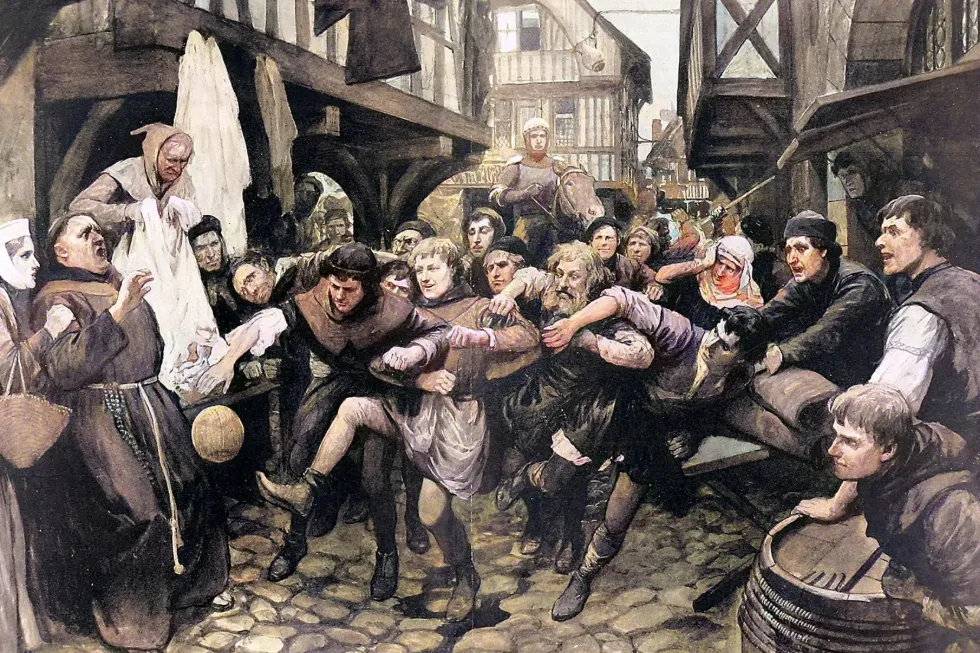
Imagine a football match that lasts two days, spans three miles of countryside, has no referees, no set number of players, and where the goals are three miles apart. Welcome to the Royal Shrovetide Football match in Ashbourne, England—a tradition so chaotic, so deeply rooted in local history, that it has survived for centuries while modern football evolved around it. This isn’t just a game; it’s a ritualistic battle between the “Up’ards” and “Down’ards,” a celebration of community identity that takes over an entire town every Pancake Day (Shrove Tuesday) and Ash Wednesday.
From its medieval origins to its modern-day mayhem, this article dives into the heart of one of England’s most extraordinary sporting events. Whether you’re a sports history buff, a lover of bizarre traditions, or just curious about what happens when thousands of people chase a single ball through rivers, streets, and fields, the story of the Royal Shrovetide match is unlike anything you’ve ever heard. Let’s explore the chaos, the rules (or lack thereof), and why this game remains a beloved, unbroken tradition that even the Mostbet sports community admires for its raw, unfiltered passion.
What Is Royal Shrovetide Football?
The Royal Shrovetide Football match is a traditional “mob football” game played annually in Ashbourne, Derbyshire, England. Unlike the polished, rule-bound sport we know today, this version is a throwback to medieval times—a sprawling, town-wide scramble where virtually anything goes. The game kicks off on Shrove Tuesday and continues on Ash Wednesday, with play spanning the entire town, including the River Henmore.
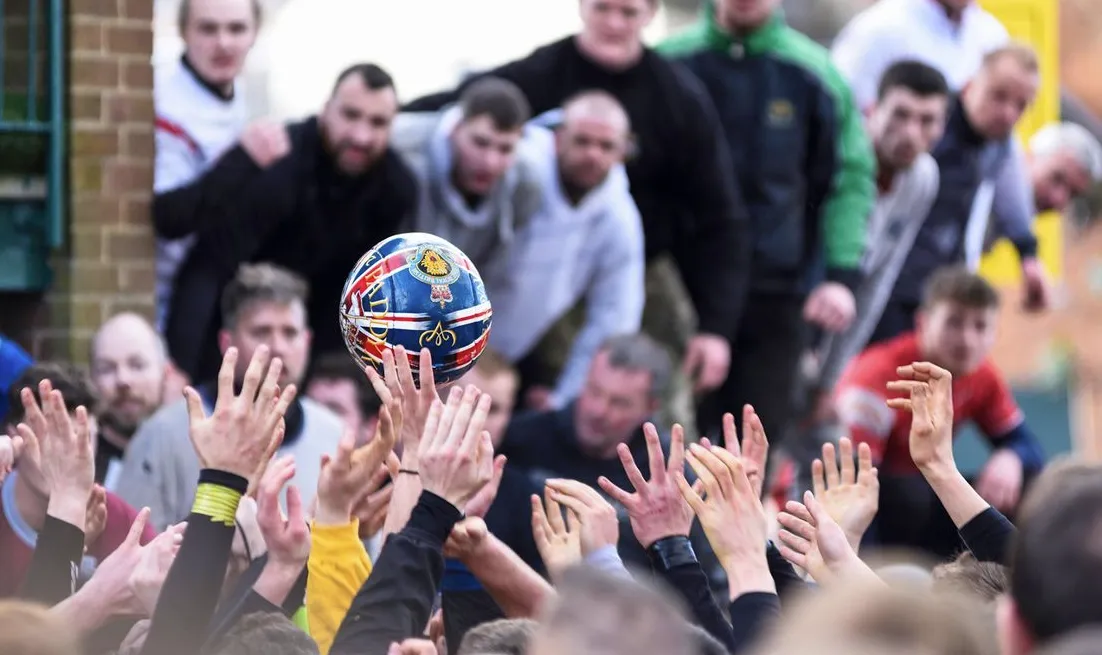
Historically, the event marked the beginning of Lent, a period of fasting and reflection. But for the people of Ashbourne, it’s a chance to let loose, settle old scores, and prove their loyalty to their side of the town. The “Up’ards” represent those born north of the river, while the “Down’ards” claim the south. The goal? Get the ball to a designated “goal” three miles away.
Origins and Historical Significance
The exact origins are murky, but the game is believed to date back to at least the 12th century. Some legends suggest it started as a celebration of a victorious battle or a pagan fertility rite. The “Royal” prefix was added after Prince Charles officially started the match in 2003, but the game’s roots are deeply entrenched in local folklore. In centuries past, entire villages would participate, and the match was often violent, with broken bones and bruised egos a given.
Today, it’s a protected tradition, recognized as part of England’s intangible cultural heritage. Modern attempts to ban or regulate it have failed because the community fiercely guards its autonomy. As local historian Dr. Emily Carter notes, “Royal Shrovetide isn’t just sport; it’s a living history lesson. It’s the only time of year when the entire town shares a single heartbeat.”
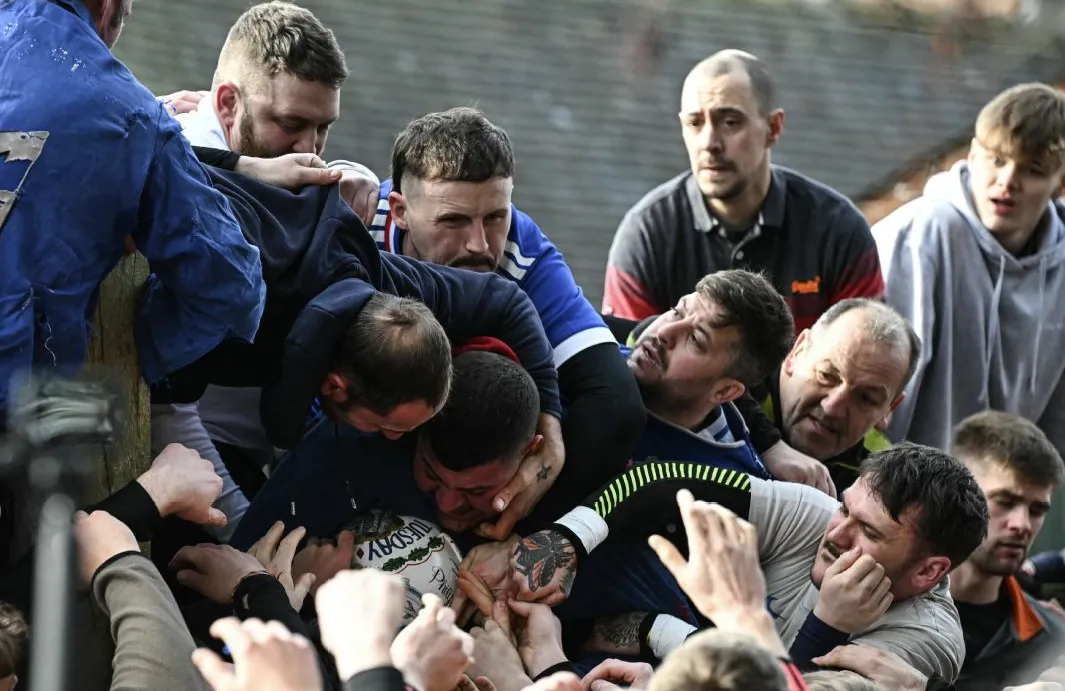
How the Game Works: The Chaos of No Rules
To call it a “game” is generous. There are no referees, no offsides, no fouls (unless someone is intentionally violent), and no timeouts. The ball is made of leather and filled with cork, making it buoyant enough to survive the river crossings. The match starts with a ceremonial “tossing up” of the ball by a local dignitary.
The Players and Teams
There are no set teams—anyone from Ashbourne or even visiting tourists can join. The only division is geographic: Up’ards (north of the Henmore) vs. Down’ards (south). Each side numbers in the hundreds or thousands, making it less a game and more a mob. The objective is simple: move the ball toward your opponent’s goal by any means necessary.
- The Goals:They are three miles apart. The Up’ards try to “goal” the ball at a stone wall in the north, while the Down’ards aim for a mill wheel in the south. Scoring is rare—sometimes only once per day. When a goal is scored, a local band plays, and the crowd erupts.
- The Ball:It’s not a standard football. It’s smaller, harder, and designed to be thrown, kicked, or carried. The ball is often passed under rivers, through gardens, and over fences.
- The River Crossing:The River Henmore is a key battleground. Players often wade or swim across, using the ball as a totem. The river becomes a chaotic splash of bodies, steam, and mud.
The “Rules” (Or Lack Thereof)
There are no set playing times; the game continues until dusk. The only serious prohibitions are against intentional violence (like weapons or serious assaults) and using vehicles. Otherwise, it’s pure, unadulterated chaos. As local participant Tom Harding explained, “It’s not about skill. It’s about endurance. You just stay with the ball, push through the crowd, and hope you don’t get trampled.”
The Timeline of a Two-Day Event
The match unfolds over two days, each with its own rhythm and rituals.
Day 1: Shrove Tuesday
The day begins with a parade through Ashbourne, featuring a marching band and local dignitaries. The ball is tossed up at 2 PM in the town center, and pandemonium erupts immediately. The first several hours are spent in the town’s narrow streets, with the ball often disappearing into shops, pubs, and private homes. By late afternoon, the crowd surges toward the river, and the real mayhem begins. The crossing can last hours, with players battling the current and each other.
Day 2: Ash Wednesday
The second day starts with a similar toss-up, but the energy is different. Players are exhausted, bruised, and often hungover from the previous night’s celebrations. Yet the intensity doesn’t drop. The ball spends most of the day in open fields, with long, slow pushes toward the goals. The final hour is always frantic as both sides try to “goal” before sunset. The entire town gathers around the goal sites, creating a carnival atmosphere.
The Aftermath
Once a goal is scored, the ball is “turned” (signed) by the scorer and kept as a souvenir. The crowd disperses, but the stories live on. Winners boast for years; losers plot revenge. The community bonds are strengthened, and the tradition continues.
Why This Tradition Has Survived for Centuries
In an era where sports are increasingly commercialized and sanitized, Royal Shrovetide stands out as a defiantly organic event. Its survival is due to several factors:
- Local Pride:The game is a core part of Ashbourne’s identity. Families have participated for generations, and children grow up dreaming of their first match.
- Minimal Oversight:Attempts by authorities to regulate the game have been met with resistance. The game’s anarchic nature is its strength.
- Tourism and Media:While the event is local, it attracts international media and curious tourists. The Mostbet sports desk has covered it as a fascinating anomaly in the global football landscape.
- Adaptability:The game has evolved slightly—for example, modern medical tents are set up for injuries—but the core chaos remains unchanged.
Expert Insight
Sports anthropologist Dr. Sarah Laird explains, “Royal Shrovetide is a ritualized form of community catharsis. In a world of over-regulated sports, this is a release valve. It’s primitive, but it’s honest. That’s why people love it.”
The Role of the River and the Great Crossing
The River Henmore is more than an obstacle; it’s the heart of the drama. The “River Crossing” is the most iconic part of the match. The ball is often thrown into the water, and players dive in after it. The sight of hundreds of people battling the cold current is both terrifying and inspiring. Local lore says that if you cross the river with the ball in hand, you gain bragging rights for life. It’s a test of pure grit.
This segment is so famous that it’s often shown on international news. “Seeing grown men and women splashing through a freezing river for a leather ball is absurdly British,” joked sports commentator Mark Owens. “But it’s also breathtakingly beautiful.”
Comparison to Modern Football: An Alternative Universe
The contrast between Royal Shrovetide and modern football is stark. Professional football is about precision, tactics, and money. Shrovetide is about chaos, endurance, and community.
| Aspect | Modern Football | Royal Shrovetide |
| Players | 11 per team | Hundreds to thousands |
| Field | Rectangular, 100m | Entire town, 3 miles |
| Rules | Complex, strict | Almost none |
| Referees | 3+ officials | Zero |
| Equipment | High-tech ball | Leather cork ball |
| Duration | 90 minutes | 2 days (8+ hours/day) |
| Primary Goal | Win | Survive & have fun |
The Future of Royal Shrovetide
Despite its resilience, the tradition faces modern challenges. Population changes, safety concerns, and insurance costs could threaten it. However, the local community remains fiercely protective. The game has been officially recognized as a “Unique Cultural Event” by the UK government, which grants it some legal protections.
As long as there are Up’ards and Down’ards, the ball will be tossed. For the people of Ashbourne, it’s not just a game—it’s their history, their identity, and their annual declaration that some things are worth preserving in their purest, wildest form.
If you ever get the chance to visit Ashbourne on Pancake Day, don’t hesitate. Join the mob, get muddy, and experience a piece of living history that no modern stadium can replicate. Have you ever participated in a mob football event? Share your story in the comments below, or explore more unique sports traditions on Crickex our website.
