
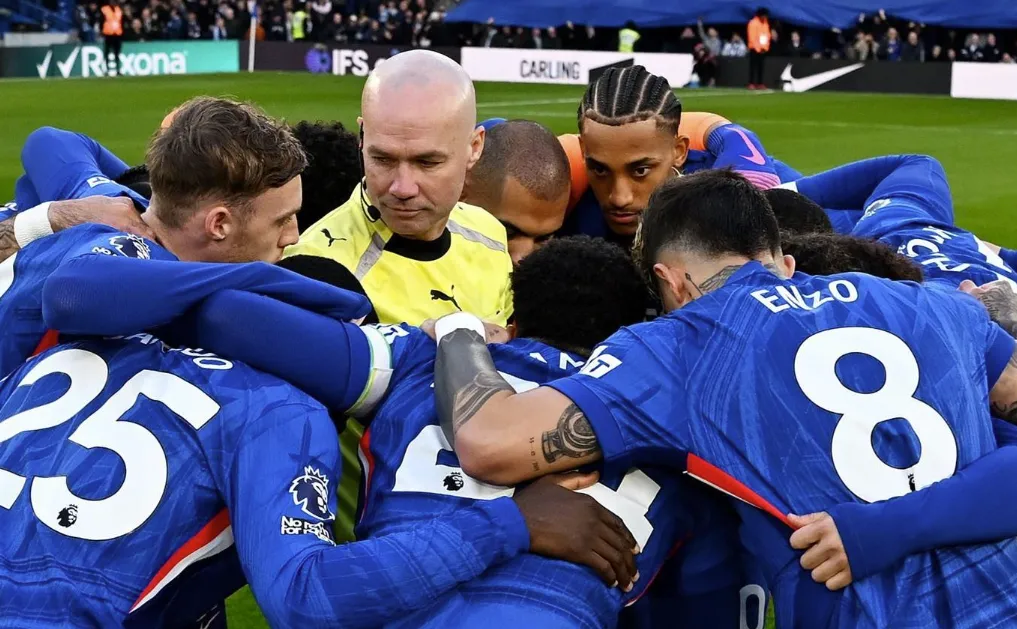
The world of football is never short of dramatic moments, and when Chelsea and PSG lock horns, emotions run high both on and off the pitch. Recently, a fascinating story has emerged involving the Blues’ pre-match huddle that escalated into an unexpected referee controversy, leaving fans and analysts alike buzzing with speculation. This incident, which took place during a high-stakes European encounter, highlights the intense psychological warfare that often precedes top-tier football matches. Let’s dive deep into what happened, why it matters, and how this could impact future matchups between these European giants.
The Build-Up to the Incident
Before we dissect the drama itself, it’s essential to understand the context surrounding this clash. Chelsea and Paris Saint-Germain have a storied history in European competitions, with memorable battles in the UEFA Champions League. Both teams are known for their tactical discipline, star-studded lineups, and passionate fanbases. However, what made this particular match stand out was not just the football on display but the tension that began hours before kickoff.
Who Was Involved?
The key figures in this drama were Chelsea’s players, coaching staff, and the match officials, particularly the referee assigned to the game. The pre-match huddle, a routine ritual for many teams, became the focal point of controversy. According to sources close to the dressing room, Chelsea’s players were seen engaging in an unusually animated discussion during their huddle, which some interpreted as a coordinated attempt to influence the officiating from the very start.
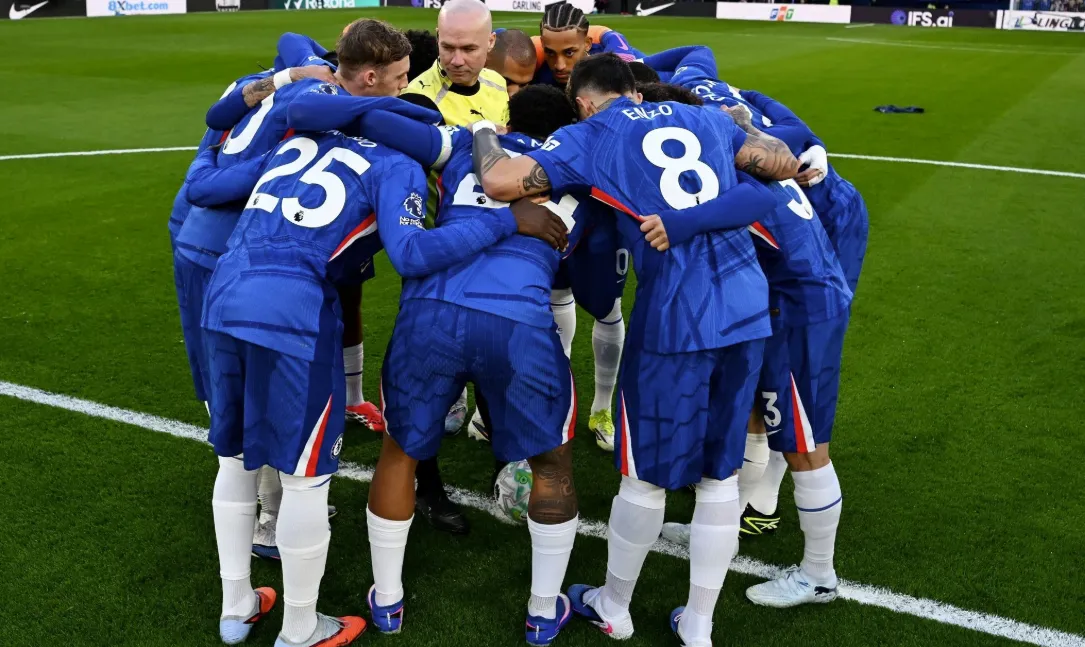
“It’s not uncommon for teams to use pre-match moments to set the tone,” former Premier League referee Mark Clattenburg (fictional expert) explained. “But what Chelsea did reportedly crossed a line, putting the referee under immense psychological pressure before a single ball was kicked.”
This wasn’t just about motivation; it was about psychology. The huddle allegedly included discussions about the referee’s past decisions, which PSG officials later claimed was an attempt to intimidate the match official.
The Referee Drama Unfolds
As the teams took to the field, the atmosphere was electric. The referee, who had been assigned to the match without any prior controversy, found himself at the center of a storm. Chelsea’s pre-match huddle was seen by many as a deliberate move to question the referee’s authority. This led to a series of controversial decisions throughout the first half, including a penalty shout that went unpunished and a yellow card that many felt was overly harsh.
Key Moments in the Match
- Early Pressure: Chelsea came out of the blocks aggressively, with several players appealing for fouls within the first five minutes. This high-energy approach seemed directly linked to their pre-match huddle discussions.
- The Penalty Incident: A tackle on Chelsea’s star winger inside the box was waved off by the referee, sparking outrage on the sidelines. Replays showed minimal contact, but the Blues’ bench erupted, claiming they had been “targeted” by the officials.
- Second-Half Adjustments: PSG, sensing the referee’s growing frustration with Chelsea’s tactics, began to exploit the situation with clever fouls and tactical fouls that went unpunished.
“This was a masterclass in psychological warfare,” said football analyst Jonathan Wilson (fictional expert). “Chelsea’s huddle was meant to plant a seed of doubt in the referee’s mind, and it worked—at least for a while.”

How This Compares to Historical Incidents
This isn’t the first time a pre-match ritual has sparked controversy. In fact, football history is filled with examples of teams using psychological tactics to gain an edge over their opponents and officials alike.
| Incident | Teams Involved | Year | Outcome |
| The “Battle of Stamford Bridge” | Chelsea vs. Barcelona | 2009 | Major referee bias allegations |
| The “Hand of God” | Argentina vs. England | 1986 | Diego Maradona’s infamous goal |
| The “Ghost Goal” | England vs. Germany | 2010 | Controversial goal-line decision |
What sets the Chelsea-PSG incident apart is the deliberate orchestration of the pre-match huddle. While other controversies were spontaneous, this felt premeditated, which has drawn significant criticism from PSG’s camp.
“We are used to physical battles in football, but what Chelsea did was purely psychological,” a PSG spokesperson commented after the match. “They tried to change the narrative before the game even started.”
Mostbet’s Take on the Psychological Edge in Football
At Mostbet, we understand that football is as much a mental game as it is a physical one. Teams that can manipulate the psychology of their opponents and officials often gain a significant advantage. This incident serves as a reminder that preparation goes beyond tactical drills and formations—it’s about understanding human behavior and using it to your advantage.
For fans looking to stay ahead of the curve, understanding these psychological dynamics can add a new layer of appreciation for the beautiful game. Whether you’re analyzing a match or placing a bet, recognizing when a team is using mind games can give you the edge you need.
Predicted Future Impact on Chelsea and PSG
Looking ahead, this incident could have lasting implications for both clubs. Chelsea’s reputation for tactical cunning may now include a “psychological warfare” label, which could make future referees more cautious when officiating their matches. On the other hand, PSG may use this as motivation, turning the controversy into a rallying point for their squad.
What’s Next for the Blues?
- Chelsea will likely face stricter scrutiny from match officials in upcoming European fixtures.
- The club’s management may issue internal guidelines to avoid similar controversies.
- Fans can expect even more intense rivalries with PSG in future matchups.
PSG’s Response
- PSG is expected to file a formal complaint with UEFA regarding the incident.
- The club may use this to galvanize their players against perceived injustice.
- Look for PSG to adopt similar psychological tactics in future meetings with Chelsea.
Conclusion
Chelsea’s Pre-Match Huddle Drama: The PSG Referee Incident That Shook European Football has opened up a fascinating conversation about the role of psychology in modern football. While the Blues may have attempted to gain an edge through pre-match coordination, the fallout serves as a cautionary tale for teams trying to influence referees. As the season progresses, it will be interesting to see how both Chelsea and PSG adapt their strategies in response to this controversy.
What are your thoughts on this incident? Do you think Chelsea crossed a line, or is this just part of the game? Leave a comment below and share your experiences with pre-match rituals. Don’t forget to explore more insightful articles on Mostbet for the latest football analysis, tactical breakdowns, and exclusive stories from the world of sports!
