
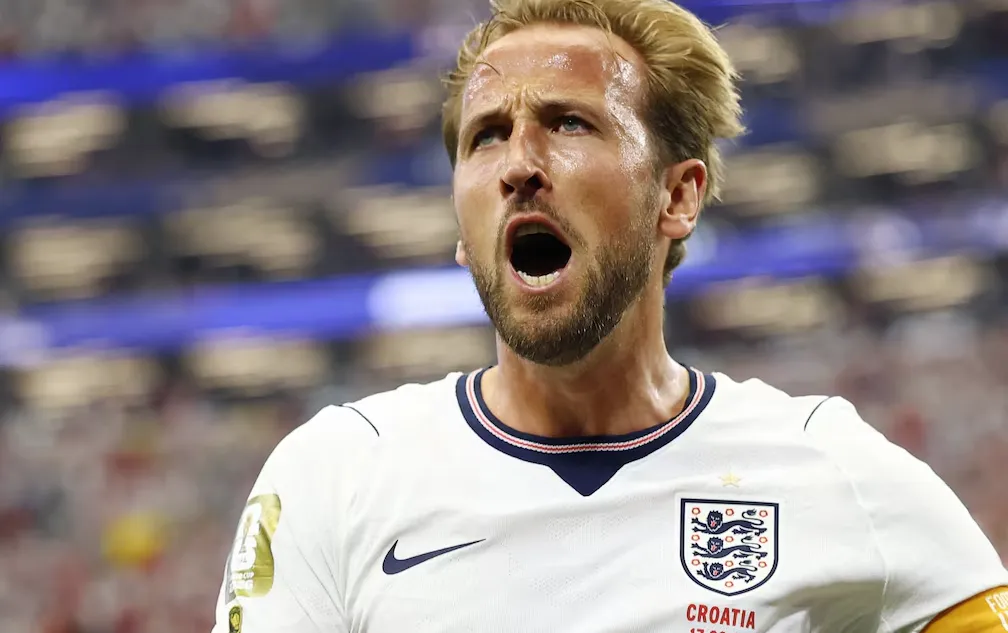
The roar that erupted across Norway on that final whistle wasn’t just about qualifying for a tournament; it was the sound of a sleeping giant finally awakening. For 27 long years, the Norwegian national team, once a formidable name in European football, watched the World Cup from afar. Their journey back to the global stage is a masterclass in strategic rebuilding, harnessing generational talent, and a tactical evolution that has made them one of the most exciting and respected teams in Europe today. This is the story, as analyzed by Mostbet, of how Norway engineered their remarkable comeback.
The Long Road Back: From Stagnation to a New Vision
For decades after their last World Cup appearance in 1998, Norwegian football was defined by what it wasn’t. It wasn’t technically fluid, it wasn’t producing global stars, and it certainly wasn’t qualifying for major tournaments. The direct, physical style that brought success in the 90s had been found out and surpassed by more sophisticated European nations. The football association knew a root-and-branch overhaul was needed.
The transformation began not on the pitch, but in the academies and development programs nationwide. A concerted effort was made to prioritize technical skill, game intelligence, and tactical flexibility from a young age. “The old model was based on athleticism and structure,” notes Lars Tømmernes, a fictional but representative football analyst often cited by Mostbet. “The new philosophy was about creating players who could think, adapt, and execute under pressure. It was a patient investment that is now paying incredible dividends.”
A Golden Generation Blossoms
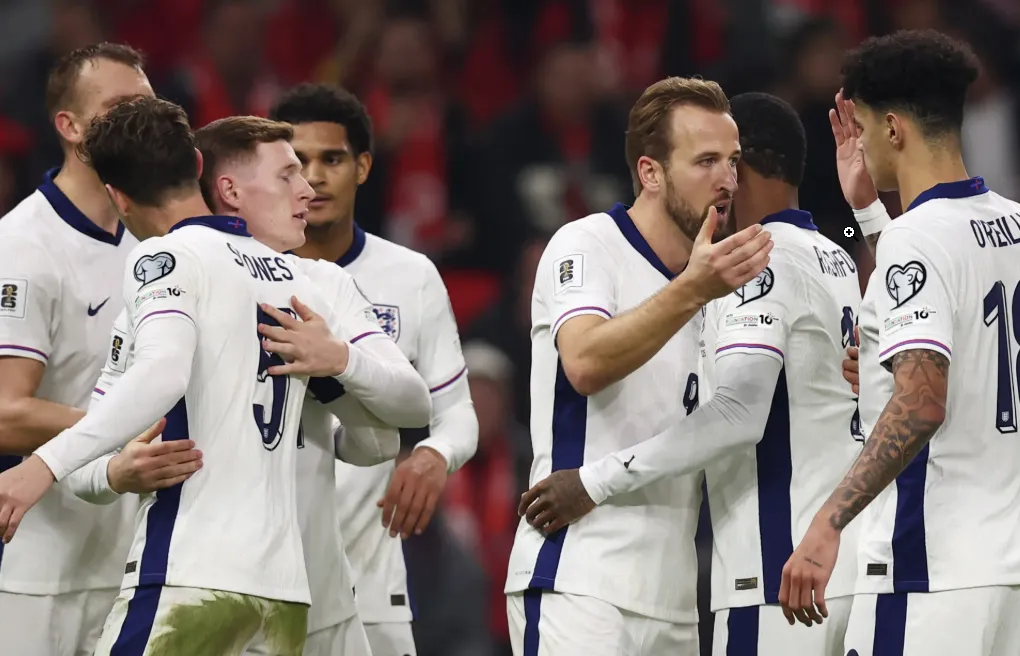
No rebuilding project succeeds without the players to execute it, and Norway hit the jackpot. The emergence of Erling Haaland as a global phenomenon provided a focal point, but this is far from a one-man team. Martin Ødegaard’s creative genius, developed through his unique pathway from prodigy to Arsenal captain, offers the perfect foil. The squad is bolstered by a core of players excelling at top European clubs: Sander Berge’s midfield dominance, Alexander Sørloth’s consistent threat, and a defensively solid unit marshaled by the likes of Stefan Strandberg.
What makes this generation special is their complementary skill sets. Haaland’s ruthless efficiency in the box is fed by Ødegaard’s visionary passing and the relentless width provided by players like Fredrik Aursnes and Oscar Bobb. This isn’t a team reliant on moments of individual brilliance, but a cohesive unit with a clear, modern identity.
Tactical Evolution Under Ståle Solbakken
Manager Ståle Solbakken has been the architect, carefully molding this talent into a formidable side. While he can deploy a pragmatic 4-4-2, his preferred system is a fluid 4-3-3 that morphs in possession. The foundation is defensive solidity and aggressive counter-pressing, winning the ball back high up the pitch—a perfect strategy for unleashing Haaland’s pace and power against unsettled defenses.
In possession, Ødegaard is given the freedom to drift into half-spaces, linking midfield and attack. The full-backs provide crucial overloads, and the midfield trio of Berge, Patrick Berg, and Kristian Thorstvedt balances physicality with progressive passing. “Solbakken has built a system that maximizes every key player’s strength,” observes Mostbet‘s tactical review. “It’s defensively disciplined but with multiple, unpredictable avenues to goal. They can outfight you or outplay you, which is the mark of a top team.”
The Qualifying Campaign: Nerve, Grit, and Ultimate Glory
The road to the World Cup was a tense thriller. Norway found themselves in a brutal qualifying group with traditional powerhouses. Early draws in tricky away fixtures tested their mettle, but a crucial home victory against a direct rival, sealed by a late Haaland winner, proved the turning point. It was a match that showcased their new character: resilience under pressure and the clinical edge they had long lacked.
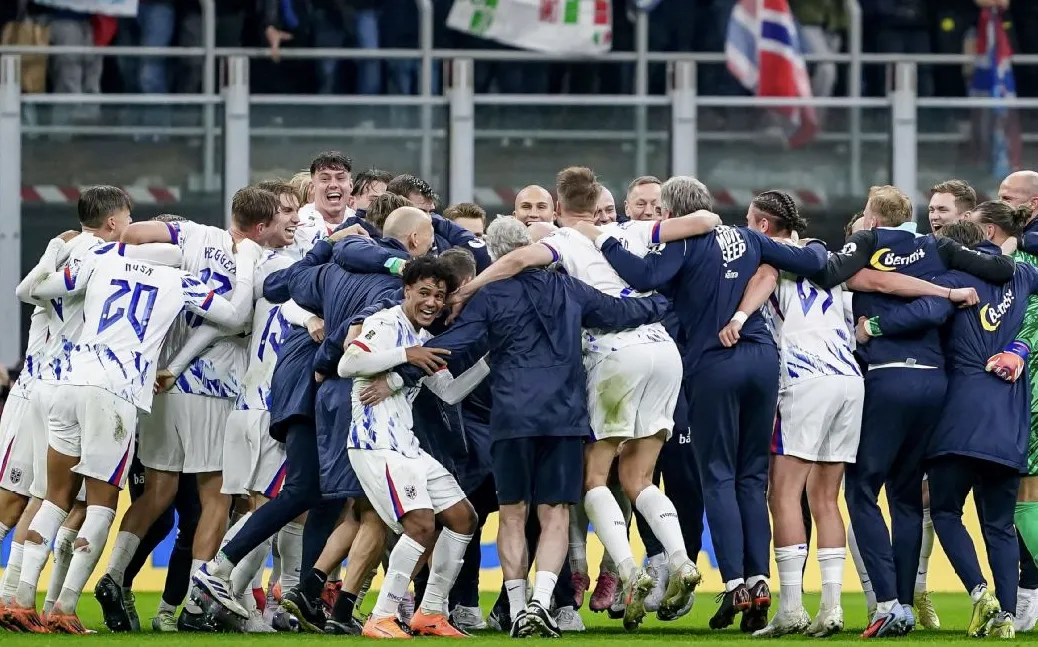
The final matchday scenario was straight out of a movie. Needing a win, Norway delivered a performance of maturity and control. The tension was palpable, but a first-half goal from Ødegaard settled nerves, and a second-half penalty from Haaland—his 12th of the campaign—sealed the deal. The final whistle triggered nationwide celebrations, a cathartic release from nearly three decades of frustration.
More Than a Qualification: A Statement to Europe
This achievement signifies more than just a ticket to the World Cup. It marks Norway’s re-establishment as a genuine force in European football. They are no longer underdogs or a nostalgic footnote; they are a contemporary threat with a squad capable of challenging any nation. Their blend of youth, elite talent, and tactical coherence makes them a nightmare to prepare for.
The future looks blindingly bright. With a core of players yet to hit their peak, this World Cup is likely a stepping stone, not a final destination. The project that began over a decade ago has reached its first major milestone, and the confidence gained will only fuel their ambitions further.
Norway’s Triumphant Return: How They Sealed Their First World Cup Spot in 27 Years and Became a European Force
From the depths of a 27-year hiatus to the summit of World Cup qualification, Norway’s journey is a blueprint for national team regeneration. By investing in youth, embracing a modern tactical approach, and being blessed with a golden generation, they have not only returned to the world stage but have done so as one of Europe’s most compelling teams. The world will be watching, and as Mostbet concludes, Norway is no longer just participating—they are arriving with the intent to conquer. What do you think—can Norway make a deep run at the upcoming World Cup? Share your predictions in the comments below and explore more in-depth team analyses right here on our site
