
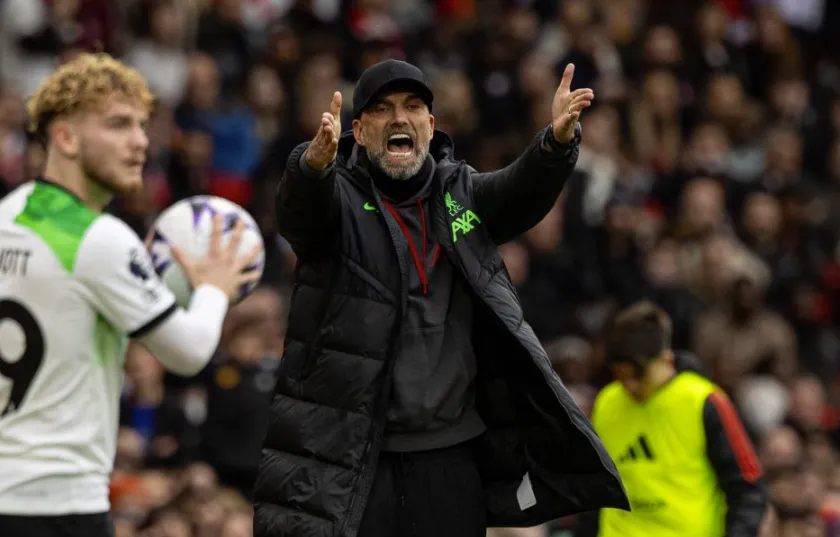
The landscape of European football is undergoing a fascinating generational shift. While established tactical giants continue to dominate headlines, a wave of young, innovative coaches is quietly redefining how the game is played. These managers, many still in their early 40s or younger, are not just inheriting teams—they are building philosophies, developing young talent, and challenging the traditional hierarchies of the sport. This analysis dives into seven of the most promising young coaches currently making waves across Europe, their tactical signatures, and what their rise means for the future of football.
Who Are the New Faces of Football Management?
The stereotype of the seasoned, silver-haired manager is fading. In its place, we are seeing a generation of tacticians who grew up analyzing data, embracing positional play, and understanding the psychological demands of modern athletes. These coaches are characterized by their flexibility, their ability to communicate complex ideas, and their willingness to take risks. They represent a bridge between the old-school man-management of the past and the data-driven, high-pressing future.
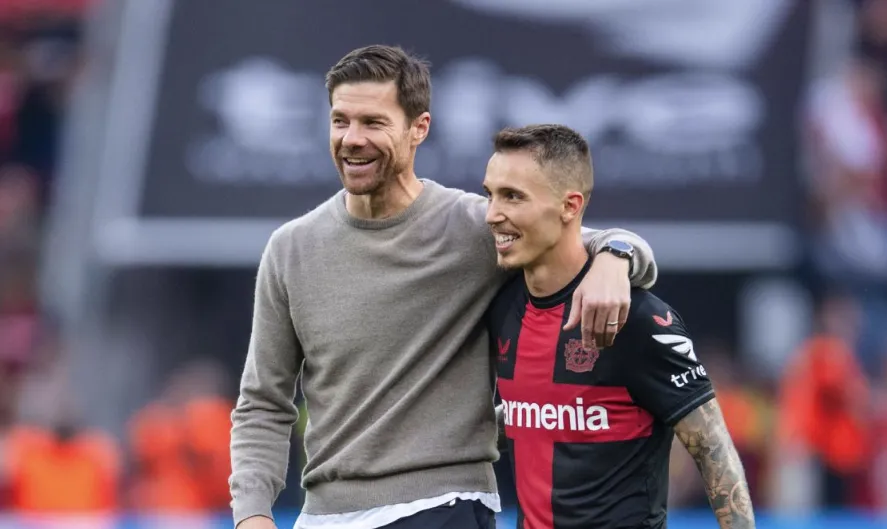
The Italian Strategist: A New Approach to Defense
Italy has long been synonymous with defensive solidity, but the new wave of Italian coaches is evolving that tradition. One of the standout figures in this category is a coach known for his obsessive attention to detail and proactive pressing systems. Unlike the catenaccio of old, his teams defend by attacking the space, creating a suffocating mid-block that transitions into lightning-fast counter-attacks.
His impact at a mid-table club has been nothing short of revolutionary, turning them into a feared opponent for even the biggest sides in Serie A. He emphasizes structured build-up play from the back, relying on his goalkeeper not just as a shot-stopper but as a playmaker. This philosophy, while risky, has yielded remarkable consistency and a distinct identity.
The German Pragmatist: Efficiency Over Ego
German football has always prized efficiency, and one of its brightest young exports embodies this perfectly. This coach, who earned his stripes in the second division, has a reputation for being a tactical chameleon. He does not rigidly adhere to one formation but instead tailors his system to exploit the specific weaknesses of each opponent.
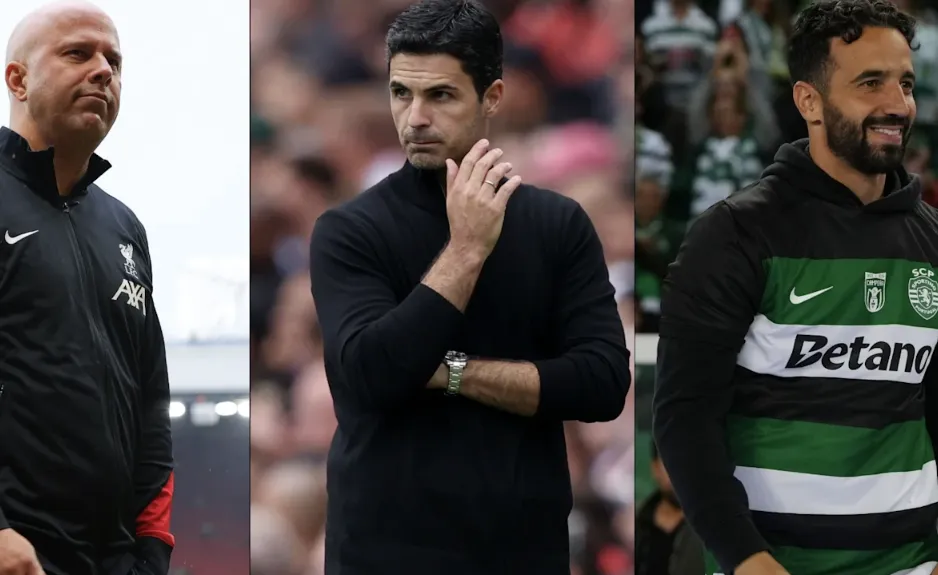
What sets him apart is his man-management. Reports from Mostbet sources indicate that he spends hours in one-on-one meetings with players, ensuring every squad member understands their role, whether they are starting or on the bench. His training sessions are intense, high-tempo affairs focused on quick decision-making under pressure. This approach has turned talented but inconsistent players into reliable performers, proving that modern coaching is as much about psychology as it is about tactics.
Tactical Trends and Key Philosophies
These young coaches share several common threads in their approach to the game. Understanding these trends helps explain why they are succeeding where others have failed.
High-Intensity Pressing and Verticality
The most obvious trend is the adoption of high-intensity pressing systems. These teams do not just defend; they hunt in packs. The goal is not simply to win the ball back but to win it back in the opponent’s half, creating immediate goal-scoring opportunities. This requires immense physical conditioning and a specific mentality. Coaches are now employing specialist fitness trainers and sports scientists to ensure players can sustain this output for 90 minutes.
“The modern game is about controlling the spaces, not just the ball. A good pressing structure is worth more than ten individual tackles,” notes Dr. Andreas Richter, a leading sports analyst in Munich. “These young coaches understand that verticality—playing forward quickly—destabilizes defensive structures far more than endless sideways possession.”
Positional Play vs. Chaos Theory
While some young coaches (often influenced by Pep Guardiola) advocate for strict positional play, others embrace controlled chaos. The positional play school focuses on creating numerical superiorities in specific zones, relying on intelligent movement and passing triangles to unlock defenses. The “chaos” school, by contrast, encourages players to take risks, dribble in tight spaces, and exploit the transitional moments when the opponent is out of shape.
Both approaches can be successful, but they require very different player profiles. The best young coaches are those who can identify which approach fits their squad’s strengths, rather than forcing a rigid system that alienates their talent.
Case Study: The Rise of a Young Portuguese Coach
No discussion of emerging managers is complete without mentioning the Portuguese school. Following in the footsteps of José Mourinho and others, a new name has emerged, known for his emotional sideline presence and attacking flair. He took over a struggling club in a top-five league and transformed their fortunes by implementing a 4-3-3 system that relies heavily on the full-backs for width and creative midfielders for penetration.
His key innovation has been the use of a “false full-back.” In possession, one full-back inverts into midfield, creating a box midfield that overloads the center, while the other provides width. This tactical tweak has confused opponents and allowed his team to dominate possession against more talented squads. Mostbet experts have highlighted this tactical innovation as a direct reason for his team’s surprising cup run last season.
How Data Is Changing Coaching
The role of data in football has exploded, and these young coaches are at the forefront of this revolution. They don’t just look at goals and assists; they analyze expected goals (xG), pass completion under pressure, and defensive actions per 90 minutes. This data helps them identify weaknesses in the opponent’s setup and also helps in player recruitment.
Key metrics used by these coaches include:
- Pressure Regains:How often a player wins the ball back within 5 seconds of applying pressure.
- Progressive Passes:Passes that move the ball significantly towards the opponent’s goal.
- Deep Completions:Successful passes into the penalty area.
This reliance on data does not replace the human element; it enhances it. It provides objective evidence to support a coach’s intuition, making training sessions more focused and game plans more precise.
The Obstacles to Success for Young Managers
Despite their talent, these coaches face significant hurdles. The pressure of modern football is immense. A run of three or four bad results can lead to the sack, regardless of long-term planning. Many young managers lack the “credit in the bank” that older, more established names possess.
Furthermore, managing egos in a dressing room full of multi-millionaire players is a delicate art. Young coaches must command respect instantly, often sharing a locker room with players who are older or more decorated than they are. This requires exceptional leadership skills that go beyond tactical knowledge.
The Media and Fan Pressure
In the age of social media, every tactical decision is scrutinized. A substitution that fails to change the game can trend on Twitter for hours. Young coaches must be resilient to this external noise. The best among them have learned to create a “cocoon” around their team, shielding the players from the media circus and focusing on internal performance standards rather than external results.
Where to Watch These Rising Stars
Fans eager to see these tactical innovators in action should keep an eye on specific competitions. The UEFA Europa League and Conference League have become proving grounds for young managers, as they offer a mix of tactical diversity and high-stakes competition. Domestic cup competitions also provide opportunities to see these systems tested against different styles of play.
For those analyzing games, pay close attention to the first 15 minutes of a match. Young coaches often set a specific trap or press intensively early on to seize control. Watching how a team sets up without the ball is often more revealing than watching them in possession.
The Future Outlook for European Tactics
Looking ahead, the influence of these seven coaches will likely grow. They represent a evolution in football thought, moving away from rigid formations towards fluid, role-based systems. We can expect to see more hybrid positions (the midfielder who drops into defense, the winger who plays as a striker) as these ideas filter down through academies.
The next big trend might be the “multi-dimensional player.” Coaches will increasingly demand versatility, preferring a squad of 18 players who can play two or three positions effectively rather than specialists who can only function in one role. This shift will fundamentally change how youth academies develop players.
Comparison with Previous Generations
Unlike the “Golden Generation” of managers (Guardiola, Klopp, Mourinho) who became famous for specific, rigid ideologies, this new wave is defined by adaptation. They are less ideological and more pragmatic. They will play direct football one week and possession football the next, depending on the opponent. This flexibility makes them harder to scout and harder to prepare against, which is a key reason for their success against more established tactical minds.
Mostbet analysts have noted that the scouting reports against these teams are becoming increasingly complex, as opponents can no longer predict the tactical shape or press trigger.
Why This Matters for the Average Fan
For the average football fan, this is an exciting time. We are witnessing the birth of new tactical trends that will define the game for the next decade. Watching a team coached by one of these young managers is unpredictable and thrilling. It is a move away from the safety-first approach that has sometimes plagued the sport.
These coaches are making football more attacking, more intense, and more intelligent. They are proving that you do not need a billionaire’s budget to be competitive; you need a clear idea, strong coaching, and the courage to see it through. Whether you support a top club or a team fighting for survival, the influence of these young minds is already improving the quality of the game you watch.
Conclusion: The Rise of Young Coaches on Mostbet
In conclusion, the rise of these seven young coaches represents the most exciting tactical shift in European football in a decade. From Italy’s defensive innovators to Germany’s pragmatic strategists and Portugal’s emotional leaders, they are proving that age is just a number in the dugout. Their use of data, their focus on high-intensity pressing, and their flexible tactical systems are setting new standards for the game. As we move forward, expect to see more clubs taking risks on bright, young minds rather than recycling the same tired names. The future of football tactics is here, and it is younger, smarter, and faster than ever before. What are your thoughts on this new generation of managers? Do you think they can sustain their success in the long run? Share your insights in the comments below, and stay tuned to Mostbet for more in-depth tactical breakdowns and exclusive football analysis.
