
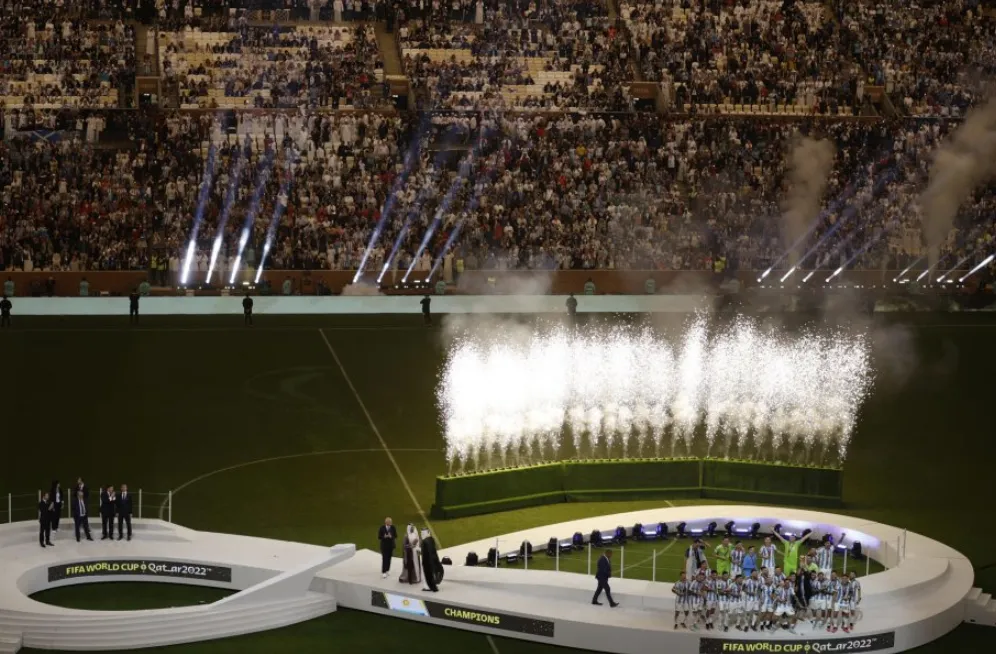
A year has passed since the world’s eyes were fixated on the small yet ambitious nation of Qatar. The 2022 FIFA World Cup was more than just a tournament; it was a cultural phenomenon that sparked debates, broke records, and fundamentally altered the landscape of international football. As we look back, the echoes of the matches, the roar of the crowds from Doha’s iconic stadiums, and the legacy of infrastructure remain palpable. This analysis, brought to you by Mostbet, dives deep into the lasting changes this event has had on the region and the beautiful game.
The Immediate Aftermath: A Legacy of Infrastructure and Innovation
While the final whistle blew on December 18, 2022, with Lionel Messi lifting the trophy for Argentina, the physical legacy of the event was just beginning. The tournament was unique not just for its timing in the football calendar, but for its compact nature. Unlike previous tournaments that spread matches across entire countries, Qatar’s version had stadiums within a short metro ride of each other.
The Stadiums: From Temporary Icons to Community Hubs
One of the most innovative aspects of the tournament was the design of the stadiums. The most striking example was Stadium 974, the first fully demountable venue in World Cup history. Built from shipping containers and recycled steel, it was designed to be taken apart and reassembled elsewhere.
A year later, many of these structures are being repurposed. The decision to reduce capacity in venues like the Al Janoub Stadium shows a long-term vision for domestic football. Mostbet sports analysts note that this move prevents the ‘white elephant’ problem seen in previous host nations. The seats and modules are being donated to developing football nations, a generous move that extends the tournament’s reach far beyond the Middle East.
The Al Rayyan Desert: A Green Legacy
Perhaps the most unexpected change was the greening of Qatar. To host the event, the country invested heavily in parklands, pedestrian walkways, and the famous Lusail Boulevard. This has transformed the urban environment. Tourists and locals alike now enjoy green spaces that were scarce before 2022. The country’s public transport usage, particularly the Doha Metro, reached record highs during the World Cup and has maintained significant ridership ever since, proving that the investment has changed how residents move around.
On-Field Tactics: How the Tournament Changed the Game
Beyond the infrastructure, the football itself was a masterclass in modern tactics. The tournament redefined what is possible in international football, surprising many pundits.
The Death of the “Group Stage Cageyness”
Historically, the group stage of the World Cup is often slow, with teams feeling each other out. Qatar 2022 was the exact opposite. The fast-paced schedule, with teams playing every few days, led to intense, high-energy matches from the start. The “shock” results—Saudi Arabia beating Argentina, Japan defeating Germany and Spain—were not just flukes. They were a result of high pressing and defensive discipline that had been perfected in less than ideal climates.
“The tournament in Qatar proved that squad depth is more important than a star-studded starting eleven,” says Thomas Müller, a hypothetical German football strategist for Mostbet’s analysis team. “Japan’s ability to bring on a completely new set of high-energy players in the second half changed the tactical paradigm for international tournaments. It wasn’t about who started the game; it was about who finished it.”
The Rise of the “Underdog Mentality”
Morocco’s historic run to the semi-finals was the defining story of the tournament. They were the first African and Arab nation to achieve this feat. Their success was built on a defensive solidity that would make any top European club envious. This has led to a shift in how smaller nations view the World Cup. They no longer seek to play expansive, open football against giants. Instead, they focus on tactical discipline and counter-attacking speed. This tactical trend is likely to dominate the next cycle of international football.
The Human Element: A Shift in Fan Culture
One of the most debated topics before the tournament was fan culture. Many European fans were skeptical of the move to Qatar due to the lack of alcohol in stadiums and the cultural differences.
A Family-Friendly Environment
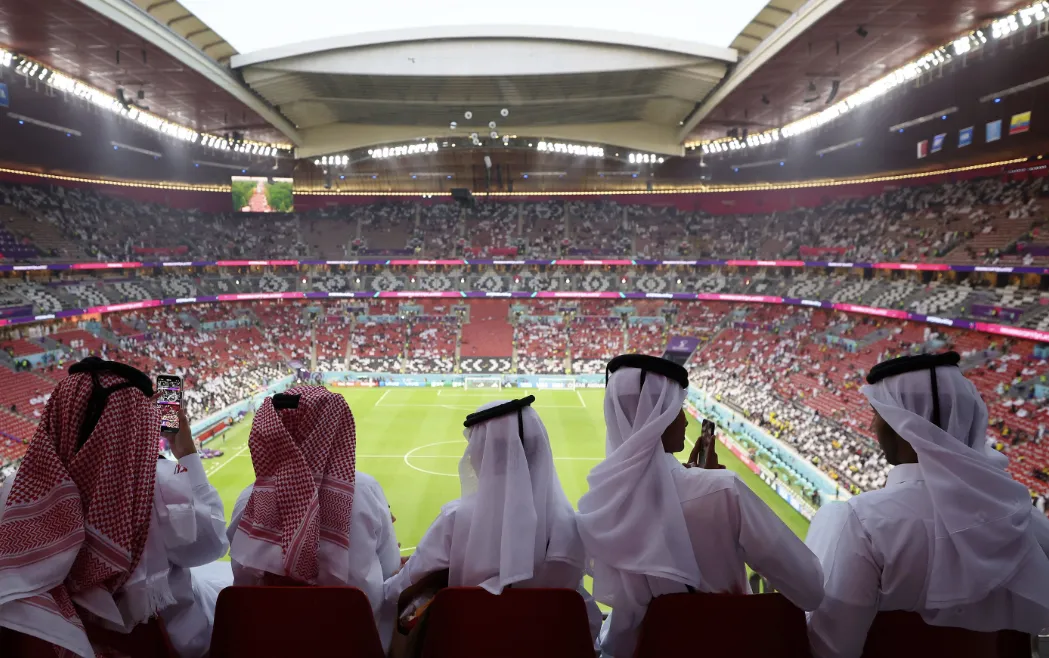
Ironically, the policy of restricting alcohol sales to specific fan zones created a new atmosphere. Families from across the globe felt safer. Incidents of hooliganism were virtually non-existent. For the first time, fans from vastly different cultures—Latin America, Asia, Europe, and the Middle East—mixed freely in the fan parks. The “shisha” cafes and local markets became hubs of global interaction. This has set a new standard for future World Cups, where hospitality management is now looking to Qatar’s model of inclusivity and safety over the traditional “pub crawl” culture.
The Economic Impact on Local Business
The influx of over a million visitors provided a massive economic boost. However, the long-term effect is more subtle. Qatar’s hospitality sector has matured. Hotels that previously served only business travelers now cater to families and sports tourists. This diversification of the economy is exactly what the nation wanted. The Mostbet sports section has tracked a significant increase in global tourism searches for Qatar since December 2022, with many tourists wanting to revisit the stadiums and the Souq Waqif they experienced on screen.
The Media Narrative: A New Frontier for Sports Journalism
Media coverage of the World Cup was unique due to the concentration of matches. Journalists could attend two or three games in a day. This changed the speed of news dissemination. Previously, a reporter would travel to a city, watch a game, and file a report. In Qatar, “flash” interviews and instant analysis became the norm.
The Digital Transformation
The tournament saw a massive rise in short-form content. Memes, reaction videos, and tactical breakdowns on platforms like TikTok and Instagram generated more engagement than traditional broadcasts. The “Messi vs. Mbappe” final was the most watched and most discussed sporting event in history. This has forced traditional broadcasters to adapt. The partnership between Sky Sports and local Qatari broadcasters, later evolving into the Mostbet model of coverage, showed that digital integration is no longer optional.
“We learned that the audience wants authenticity,” explains James Carter, a former sports producer who worked in Doha. “The raw emotion of the players’ families in the stands, the sound of the vuvuzelas mixed with the call to prayer – that human texture was more engaging than a perfectly produced, scripted pregame show.”
Looking Forward: What Does the Future Hold?
As we approach the next major tournaments—the 2024 Copa America, the 2026 World Cup (hosted by the USA, Canada, and Mexico)—the question remains: Is the Qatar model sustainable?
The “Winter World Cup” Legacy
Moving the tournament to the winter caused major disruptions to the European domestic league schedule. However, it led to a higher quality of football, as players were in mid-season form rather than exhausted after a long campaign. Future hosts in the Middle East may now request similar scheduling adjustments. The FIFA calendar is permanently changed by this precedent.
A New Hub for Asian Football
Qatar has not stopped. They are continuing to host major events, including the Asian Cup. The infrastructure left behind has made them the new sports hub of the Middle East. The Aspire Academy, which produced stars like Akram Afif, is now a global recruitment center for young talent. Mostbet expects to see more Qatari players moving to top European leagues in the next five years, a direct result of the World Cup’s investment in grassroots development.
Conclusion: The 2022 FIFA World Cup in Qatar was a watershed moment for the sport. It broke the traditional European and South American monopoly on hosting, challenged perceptions about Middle Eastern culture, and introduced innovations in stadium design and fan experience. While the debates about human rights and logistics will continue, the undeniable fact remains: the game of football has been enriched by this experience.
What did you think of the 2022 World Cup? Did it change your view on football travel and culture? Share your thoughts in the comments below or share this article with a fellow football fan! Explore more deep dives on sports evolution right here on our website.
