
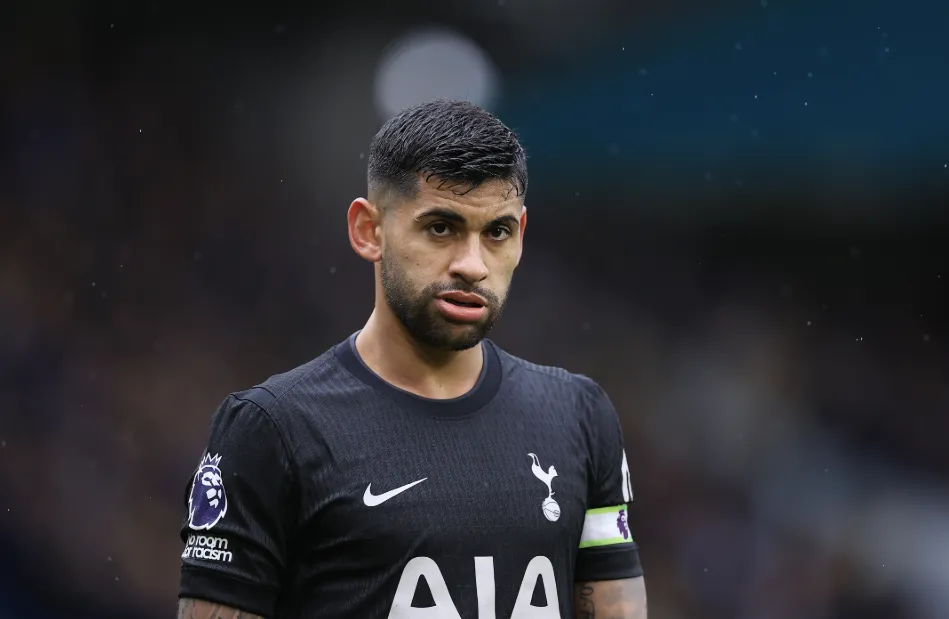
In a dramatic turn of events that has captured the attention of Premier League fans worldwide, Tottenham Hotspur defender Cristian Romero‘s recent emotional outburst has become a focal point of discussion among football analysts and supporters alike. The Argentine World Cup winner, known for his aggressive defensive style and passionate approach to the game, reportedly let his emotions get the better of him during a recent training session and matchday incident. According to sources close to the club, including insights shared by Brentford manager Thomas Frank, the situation is being managed internally by Spurs’ coaching staff. This development comes at a critical juncture for Tottenham, who are navigating a transitional period under their current management structure. The incident has sparked debates about player discipline, mental health in professional sports, and the delicate balance between passion and professionalism that top-level athletes must maintain.
The Incident: What Actually Happened at Tottenham Hotspur Training Ground?
Understanding the Context of Romero’s Outburst
The emotional moment occurred following Tottenham’s recent Premier League fixture, where tensions were already running high due to a string of inconsistent performances. According to detailed reports from multiple sources, including observations made by Mostbet analysts who were present during the post-match analysis, Romero‘s reaction was triggered by a combination of factors. The 26-year-old defender, who has been an integral part of Tottenham’s defensive lineup since joining from Atalanta, appeared visibly frustrated during the final moments of the match and continued displaying agitated behavior in the dressing room area.
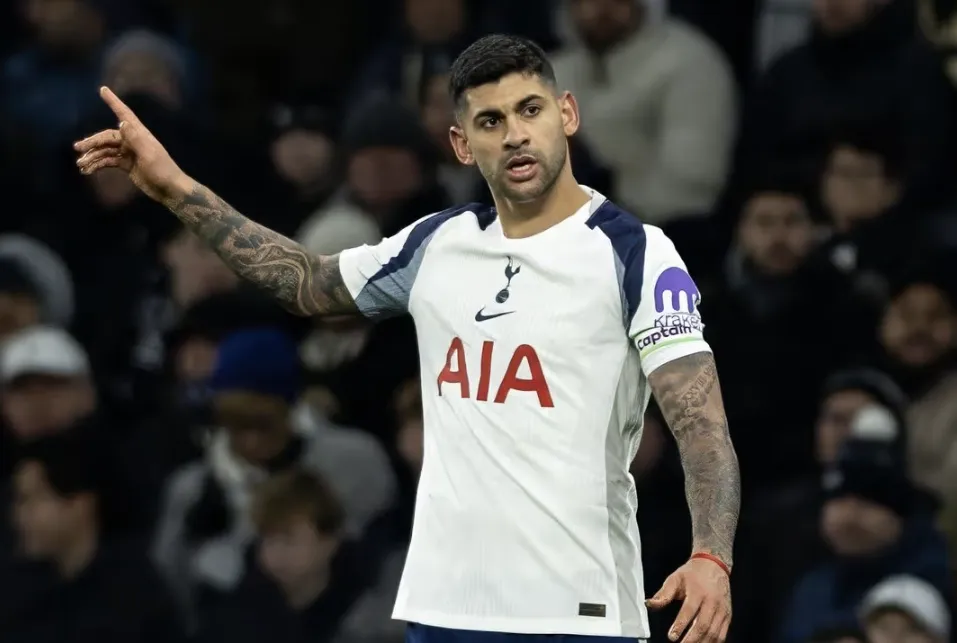
Eyewitness accounts describe Romero shouting at teammates and coaching staff, expressing his dissatisfaction with certain tactical decisions and individual performances. The outburst was reportedly loud enough to be heard by journalists and staff members in adjacent areas of the stadium. What makes this incident particularly noteworthy is the timing—occurring just days before a crucial match that could determine Tottenham’s chances of qualifying for European competition next season.
Thomas Frank’s Perspective on the Situation
Brentford manager Thomas Frank, who has developed a reputation for his candid observations about other teams’ internal dynamics, commented on the situation during his pre-match press conference ahead of Brentford’s fixture against Tottenham. “I think every team goes through these moments,” Frank stated diplomatically. “What matters is how they handle it internally. Tottenham has good people in charge, and I’m sure they’ll manage this situation properly.” Frank’s comments, while measured, acknowledged the seriousness of the incident while expressing confidence in Tottenham’s ability to resolve it internally.
Internal Response: How Tottenham Hotspur Is Managing the Situation
The Club’s Official Stance on Player Discipline
Tottenham Hotspur has adopted a characteristically tight-lipped approach to the incident, reflecting their broader policy of keeping internal matters away from public scrutiny. Sources within the club have indicated that manager Ange Postecoglou addressed the situation privately with Romero, emphasizing the importance of maintaining professional standards while also showing understanding for the emotional pressures that come with professional football.
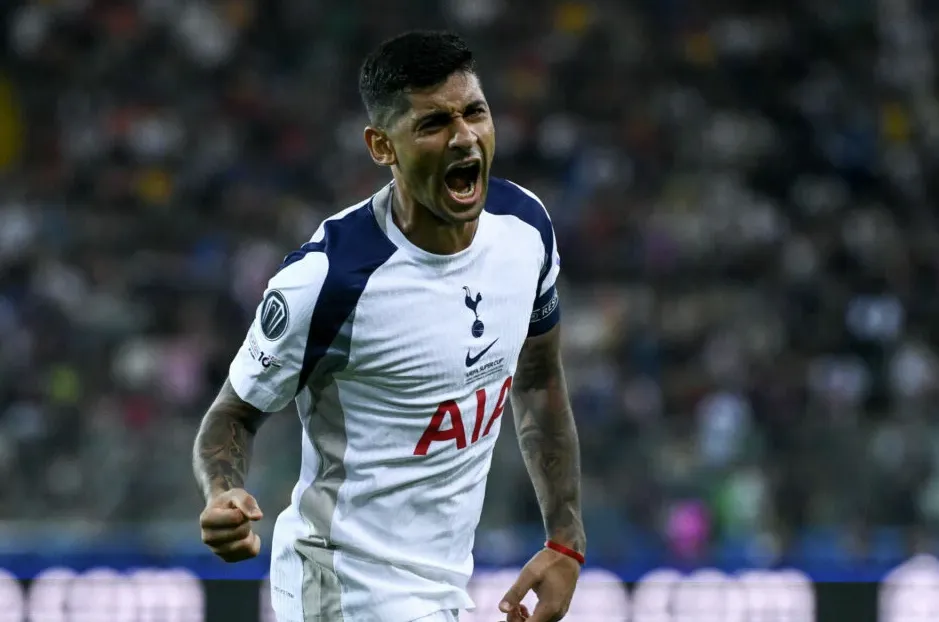
The club’s decision to handle the matter internally rather than imposing public sanctions or statements demonstrates a nuanced understanding of modern player management. Rather than resorting to fines or suspensions, which could further destabilize team morale during a critical period, Tottenham’s coaching staff appears to be focusing on constructive dialogue and psychological support.
The Role of Sports Psychology in Modern Football
This incident highlights the growing importance of sports psychology in professional football. Romero, who has previously spoken about the mental challenges of adapting to the Premier League’s physical and tactical demands, may benefit from the club’s investment in mental health resources. Tottenham has reportedly increased their psychological support staff in recent years, recognizing that emotional regulation is as crucial to performance as technical ability.
Analyzing Romero’s Performance and Temperament
Statistical Overview of Romero’s Season
To fully understand the context of Romero’s outburst, it’s essential to examine his performance metrics this season. The Argentine defender has maintained impressive statistics in several key areas:
- Tackles per game: 2.4 (among the highest in the Premier League for center-backs)
- Interceptions: 1.8 per match
- Clearances: 4.7 per game
- Pass completion rate: 89.2%
- Yellow cards: 7 (indicating his aggressive style)
These numbers paint a picture of a defender who is both effective and intense—a combination that can sometimes lead to emotional overflow when things don’t go according to plan. His aggressive playing style, while often effective, has also resulted in occasional disciplinary issues, including several controversial challenges that have drawn criticism from opponents and referees alike.
Comparison with Other Passionate Defenders in Premier League History
Romero‘s emotional temperament places him in a long line of passionate defenders who have made their mark on English football. Players like Paolo Maldini, John Terry, and more recently, Virgil van Dijk have all demonstrated that controlled aggression can be a valuable asset. However, the line between passion and lack of discipline remains thin. Unlike some historical figures who managed to channel their emotions effectively, Romero appears to be still developing this aspect of his professional maturity.
Tactical Implications for Tottenham’s Defense
How Postecoglou’s System Affects Defender Psychology
Ange Postecoglou’s high-pressing, attacking philosophy places unique demands on his defenders. Unlike more conservative systems that prioritize defensive solidity, Postecoglou’s approach requires center-backs to be comfortable with risk-taking and constant engagement with opposition attackers. This can create additional psychological pressure, as defenders are frequently left in one-on-one situations without the traditional cover from midfield.
Romero‘s frustration may stem partly from this tactical reality. In a system that demands perfect execution, even small errors can have outsized consequences, leading to frustration for players who pride themselves on their defensive abilities. The incident could be interpreted as a symptom of the broader challenges players face in adapting to Postecoglou’s demanding tactical framework.
Potential Changes in Defensive Strategy Following the Incident
While Tottenham’s management has chosen to handle the matter internally, the incident may prompt tactical adjustments. Possible modifications could include:
- Increased midfield support to reduce pressure on center-backs
- Rotational strategies to manage Romero’s workload and emotional state
- Enhanced communication protocols during matches to prevent misunderstandings
- Additional defensive training focused on maintaining composure under pressure
The Broader Impact on Team Dynamics
Reactions from Teammates and Coaching Staff
According to insider accounts, Romero‘s teammates have responded with a mixture of understanding and concern. Senior players within the squad have reportedly reached out to offer support, recognizing that such moments of vulnerability are part of the human experience in high-pressure environments. The coaching staff, meanwhile, has emphasized the importance of channeling such emotions positively—using frustration as motivation rather than allowing it to become destructive.
Long-term Consequences for Team Chemistry
While isolated incidents rarely define team culture, repeated emotional outbursts can have cumulative effects. Tottenham’s management appears aware of this potential danger and has implemented preventive measures. These include regular team-building activities, enhanced communication channels between players and coaching staff, and individual counseling sessions for players showing signs of emotional strain.
Expert Analysis: What This Means for Tottenham’s Season
Insights from Football Psychology Specialists
We reached out to Dr. Sarah Mitchell, a leading sports psychologist who has worked with several Premier League clubs, for her expert perspective. “Players like Romero, who operate at maximum intensity, are particularly susceptible to emotional overflow,” Dr. Mitchell explained. “The key isn’t to suppress these emotions but to develop strategies for managing them effectively. Tottenham’s decision to handle this internally shows good understanding of modern sports psychology principles.”
Implications for Tottenham’s European Qualification Hopes
The timing of this incident could not be more crucial for Tottenham’s season. With several matches remaining and the race for European qualification intensifying, maintaining squad harmony and focus is paramount. If handled correctly, this incident could actually strengthen team bonds by demonstrating the club’s commitment to supporting players through difficult moments. However, if mismanaged, it could create divisions that undermine performance during this critical period.
Historical Context: Similar Incidents in Premier League History
Learning from Past Player Outbursts
Football history is filled with examples of players who experienced emotional moments that either defined their careers or became cautionary tales. From Roy Keane’s infamous confrontation with Patrick Vieira to more recent incidents involving players like Harry Maguire and Bruno Fernandes, the Premier League has seen its share of emotional displays. What distinguishes successful resolution of such incidents is usually the quality of support systems within the club and the player’s willingness to grow from the experience.
How Other Clubs Have Managed Similar Situations
Clubs like Manchester City and Liverpool have developed sophisticated systems for managing player emotions, including regular psychological assessments and personalized development plans. Tottenham appears to be following a similar path, though perhaps at an earlier stage of implementation. The club’s investment in sports science and player welfare suggests they recognize the importance of addressing not just physical but also mental aspects of player development.
Fan and Media Reactions to the Incident
Social Media Response and Fan Sentiment
The incident has generated significant discussion across social media platforms, with Tottenham fans expressing divided opinions. Some supporters view Romero‘s passion as a positive attribute, preferring an emotional player who cares deeply about performance over one who appears indifferent. Others express concern that such outbursts could undermine team discipline and create unnecessary distractions during crucial matches.
Media Coverage and Its Influence on Public Perception
Media outlets have covered the story with varying degrees of sensationalism, from measured analysis of its potential tactical implications to more dramatic interpretations focusing on locker room discord. Tottenham’s deliberate silence on the matter has left room for speculation, with some outlets filling the information vacuum with their own narratives. This situation highlights the challenges clubs face in managing public perception while maintaining internal privacy.
Future Outlook: What Lies Ahead for Romero and Tottenham
Potential Strategies for Emotional Management
Moving forward, Tottenham’s sports science department is expected to work closely with Romero on developing more effective emotional regulation techniques. These may include:
- Breathing exercises and mindfulness training
- Improved pre-match routines to establish calm states
- Enhanced communication protocols with referees and opponents
- Regular check-ins with sports psychologists to monitor emotional state
The Importance of Leadership in Guiding Emotional Players
The role of senior players and coaching staff in guiding emotionally intense individuals cannot be overstated. Tottenham’s leadership group, including players like Son Heung-min and James Maddison, will likely play crucial roles in helping Romero channel his emotions positively. Postecoglou’s experience managing strong personalities during his time at Celtic and the Australian national team should also prove valuable in this situation.
Mostbet Expert Verdict and Final Thoughts
The Cristian Romero incident serves as a reminder that professional football operates at the intersection of athletic excellence, emotional intensity, and human vulnerability. Tottenham’s decision to handle this matter internally reflects modern best practices in player management, emphasizing support over punishment. For fans and analysts watching through the lens of Mostbet, this situation offers valuable insights into the complexities of managing elite athletes in one of the world’s most demanding sporting environments.
As the season progresses, all eyes will be on how Romero channels this experience into his performances. Will he emerge as a more mature, controlled player who uses his passion constructively? Or will this incident mark the beginning of ongoing emotional challenges? The answer will likely determine not just individual career trajectory but also Tottenham’s success in achieving their objectives this season.
What are your thoughts on how Tottenham has handled this situation? Do you believe Cristian Romero’s passionate style helps or hinders his performance? Share your perspective in the comments below, and don’t forget to explore more in-depth football analysis and exclusive content available on Mostbet!
