
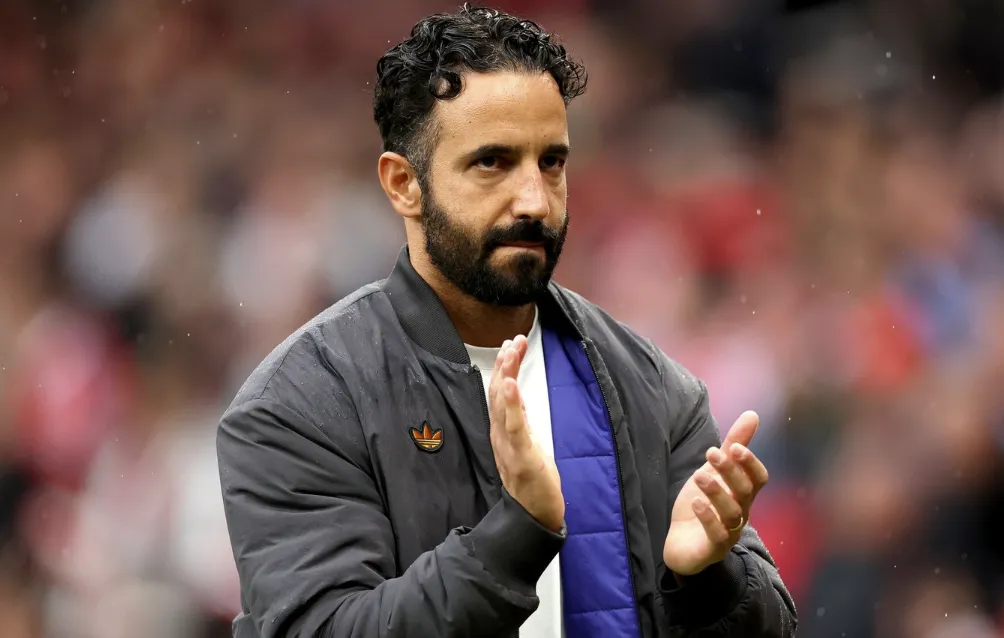
The winds of change are sweeping through Old Trafford as Manchester United prepare to welcome Ruben Amorim as their new manager, marking a significant shift in the club’s direction under the stewardship of Sir Jim Ratcliffe. After years of searching for identity and consistency, the Portuguese tactician’s arrival signals not just a change in the dugout, but a complete philosophical realignment for one of football’s most iconic institutions. With Ratcliffe’s INEOS group now firmly in control of football operations, this appointment represents the first major statement of intent from the new regime, and fans are buzzing with cautious optimism about what lies ahead.
Who Is Ruben Amorim?
Ruben Amorim has rapidly emerged as one of European football’s most exciting managerial talents, earning widespread acclaim for his transformative work at Sporting CP. At just 39 years old, the Portuguese tactician has already built an impressive resume that belies his relatively young age. His journey from a modest playing career to becoming one of the most sought-after managers in world football is a testament to his tactical acumen, leadership qualities, and unshakeable belief in his methods.
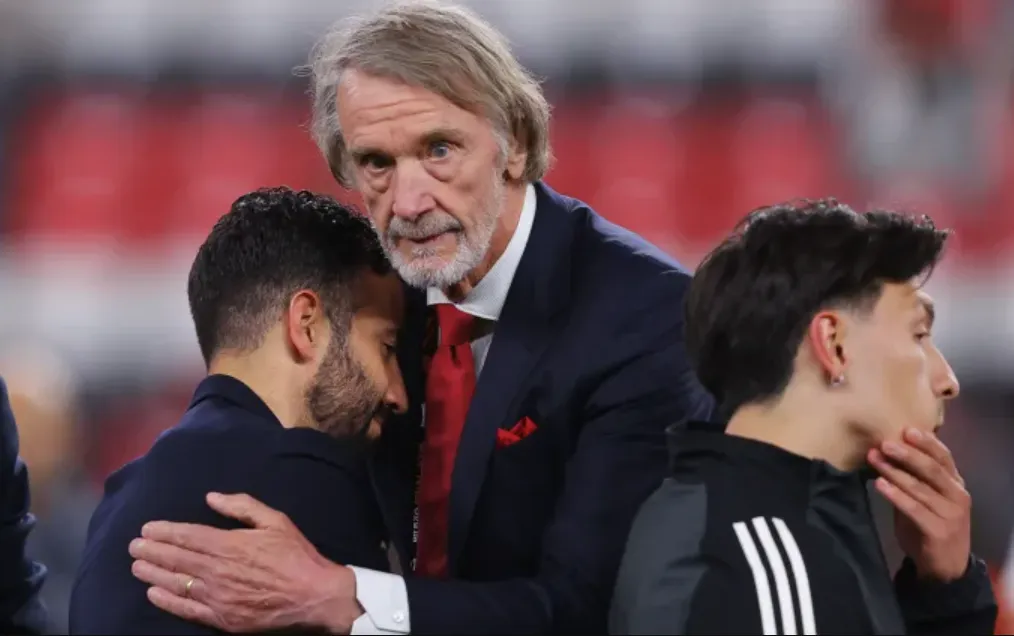
Early Coaching Career and Breakthrough
Amorim‘s managerial career began at Casa Pia in Portugal’s third division, where he quickly demonstrated his ability to implement sophisticated tactical systems with limited resources. His impressive work caught the attention of Braga, who appointed him as head coach of their B team before promoting him to the first team in December 2019. During his brief but impactful stint at Braga, Amorim guided the club to a stunning victory in the Taça da Liga, defeating Porto in the final and announcing himself as a major coaching prospect.
The Sporting CP Revolution
Since taking over at Sporting CP in March 2020, Amorim has orchestrated one of the most remarkable turnarounds in Portuguese football history. Inheriting a club that had not won the league title since 2002, he delivered the championship in his first full season, ending Porto and Benfica’s duopoly. His Sporting side played with a distinctive identity—pressing aggressively, building from the back with purpose, and maintaining tactical discipline that became their hallmark. Two more league titles followed, cementing his status as a managerial prodigy capable of competing with and defeating Europe’s elite.
Ratcliffe’s Vision and the Amorim Appointment
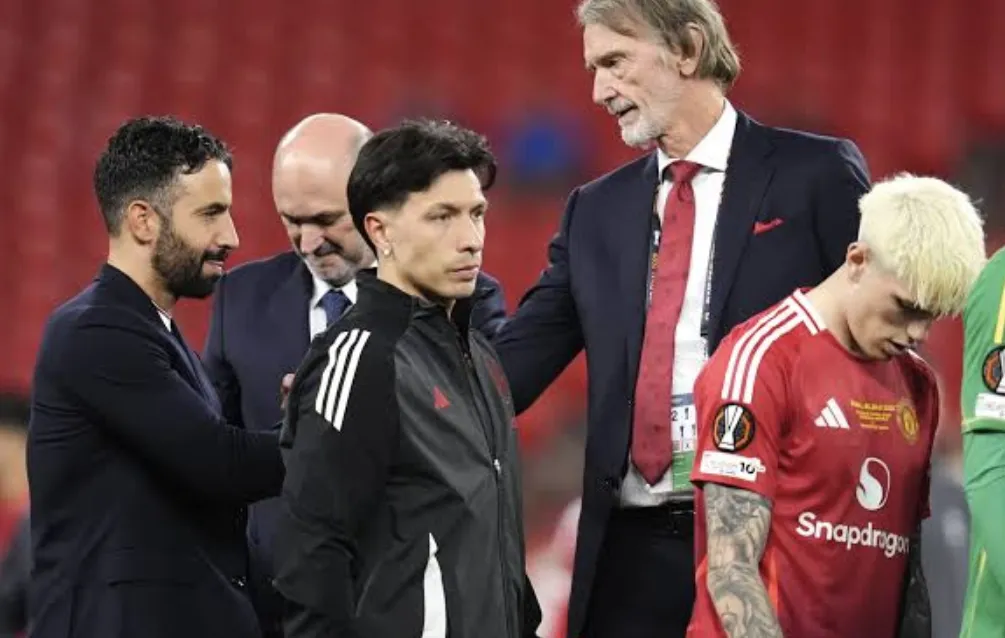
Sir Jim Ratcliffe’s acquisition of a 27.7% stake in Manchester United, with control over football operations, has fundamentally altered the club’s trajectory. The British billionaire has been unambiguous about his ambitions: restoring Manchester United to their former glory requires structural reform, strategic recruitment, and above all, a manager who embodies a clear tactical philosophy.
Why Amorim Fits the Ratcliffe Blueprint
The appointment of Ruben Amorim aligns perfectly with the INEOS approach that has proven successful across their sporting portfolio. Ratcliffe has consistently favored young, progressive managers who bring innovative tactics and long-term vision. Amorim’s emphasis on developing young talent, implementing a recognizable playing style, and building squad cohesion over quick fixes resonates deeply with the new ownership’s philosophy.
The Portuguese manager’s ability to maximize resources—evident in his success at Sporting without the spending power of Porto or Benfica—suggests he can thrive under Ratcliffe’s more disciplined financial approach. Unlike some predecessors who demanded expensive, short-term signings, Amorim has shown he can improve players and create systems that elevate collective performance beyond individual talent.
Tactical Blueprint for Old Trafford
Amorim‘s preferred 3-4-3 formation could revolutionize Manchester United’s approach. His system demands intense pressing, quick transitions, and positional discipline that requires players to understand their roles intimately. For a squad that has often looked disjointed and reactive in recent seasons, this structured approach could provide the identity and cohesion that has been sorely lacking.
Key tactical principles Amorim will likely implement include aggressive counter-pressing triggered immediately after losing possession, building attacks through controlled possession with specific trigger points, and using wing-backs as primary creative outlets—a system that could revitalize players like Diogo Dalot and Luke Shaw. The central defensive trio will be expected to progress the ball effectively, while the front three operate with fluid interchanges that make them difficult to mark.
Impact on Current Squad and Future Transfers
The Amorim era will inevitably bring significant changes to the Manchester United squad, both in terms of personnel and performance expectations.
What This Means for Key Players
Several existing United players could find their roles transformed under Amorim‘s system. Bruno Fernandes, already familiar with Portuguese football culture, could thrive in a system that gives creative midfielders clear positional freedom within structure. However, players who have struggled with tactical discipline or rely purely on individual brilliance may face challenges adapting to Amorim’s demanding requirements.
The Portuguese Connection
Amorim’s arrival could strengthen Manchester United’s links to the Portuguese market, where he has extensive knowledge and strong relationships. Players who have flourished under his guidance at Sporting—including potential targets like Gonçalo Inácio, Ousmane Diomande, and Marcus Edwards—could follow him to Manchester. This pipeline of talent, combined with the club’s existing scouting network, promises a more coherent recruitment strategy focused on players who fit the manager’s system.
Comparison with Previous Regimes
The appointment of Ruben Amorim represents a significant departure from Manchester United’s recent managerial appointments. While predecessors like Ole Gunnar Solskjær and Erik ten Hag brought different strengths, Amorim arrives with a more clearly defined tactical identity that has been proven at the highest level.
David Moyes, Louis van Gaal, and José Mourinho
Previous managers often struggled to implement their systems due to the club’s fragmented structure and conflicting visions. Amorim benefits from a unified football operation under Dan Ashworth and Jason Wilcox, with Ratcliffe’s clear mandate providing the stability that previous regimes lacked. This structural clarity should allow the Portuguese manager to implement his philosophy without the same level of interference or inconsistency that hampered his predecessors.
Legacy of Recent Years
Manchester United’s post-Sir Alex Ferguson era has been characterized by short-term thinking, expensive mistakes, and a lack of coherent football strategy. Amorim‘s appointment signals a departure from this cycle. Rather than seeking a “quick fix” from established names, the club has invested in a manager who represents long-term development and sustainable success.
Challenges and Expectations
Despite the optimism surrounding his appointment, Ruben Amorim faces significant challenges at Manchester United. The Premier League’s intensity and depth present a different challenge from Portuguese football, where smaller squad sizes and fewer top-tier competitors demand different management approaches.
Adapting to Premier League Demands
Amorim must quickly adjust to a league where his Sporting CP tactical approaches may face more sophisticated counter-measures. The physicality and pace of English football could test his squad’s ability to maintain high pressing intensity throughout a grueling 38-game season, while his 3-4-3 system will need refinement to cope with the tactical flexibility of Premier League opponents.
Managing Expectations and Squad Dynamics
The immediate pressure for results at Old Trafford is relentless. Fans hungry for success will expect Amorim to hit the ground running, while disgruntled players who don’t fit his system may cause disruption. Effective man-management and clear communication about his vision will be crucial in the early months of his tenure.
Conclusion: Ruben Amorim to Manchester United: A New Era Under Jim Ratcliffe’s Vision Begins
As Ruben Amorim prepares to take the reins at Manchester United, the stage is set for what could be a transformative chapter in the club’s history. Under Sir Jim Ratcliffe’s guidance and with Amorim’s tactical brilliance and leadership, there is genuine reason for optimism at Old Trafford. The combination of a young, innovative manager with a supportive ownership structure and the world’s most passionate fanbase creates a recipe for potential greatness.
The journey ahead will not be without its challenges, but for the first time in over a decade, Manchester United appears to have a coherent plan. Amorim’s appointment represents more than just a managerial change—it symbolizes a new beginning, one built on clear philosophy, strategic thinking, and the ambition to restore the club to its rightful place among European football’s elite.
What are your thoughts on Ruben Amorim’s move to Manchester United? Share your predictions in the comments below, and don’t forget to explore our other articles for more in-depth Mostbet analysis of the Premier League’s biggest developments. The red half of Manchester is dreaming again—let us know what you think the future holds!
