
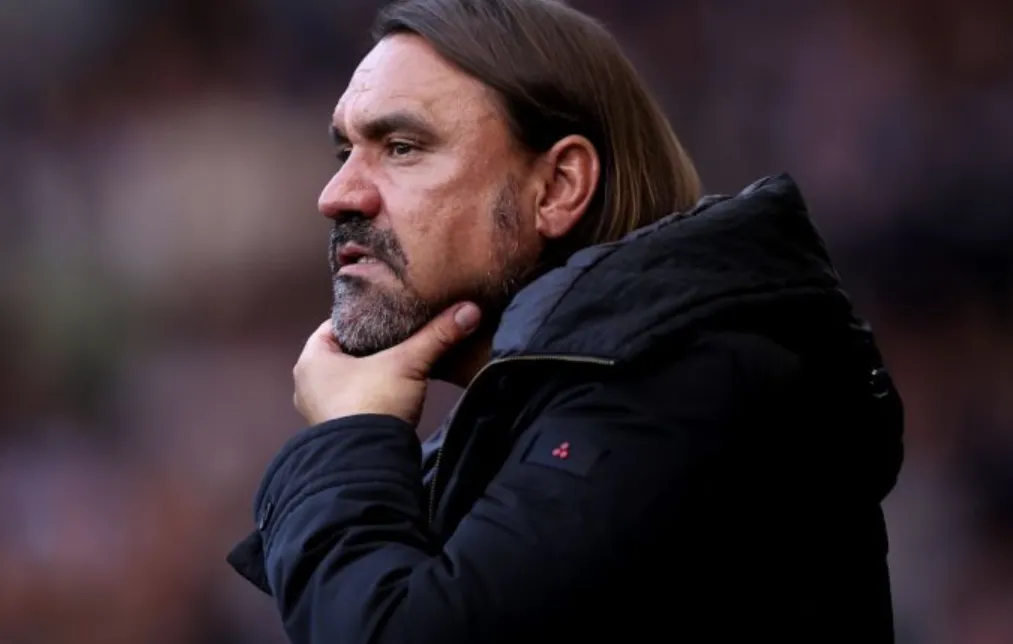
In a recent football development that has sparked debate both on and off the pitch, Leeds United manager Daniel Farke has openly questioned whether the audible boos from a section of the Elland Road crowd during a recent match were directed at players observing the Ramadan break. This incident, which has quickly become a talking point among fans, pundits, and analysts, raises important questions about cultural awareness, team dynamics, and the pressures of high-stakes football. Here at Mostbet, we dive deep into the context, the manager’s reaction, and what this means for the team moving forward, offering a perspective that goes beyond the surface-level controversy.
The Incident: What Really Happened at Elland Road?
The moment in question occurred during a tense Championship fixture, when a few Leeds players paused for a brief moment to break their fast as part of their observance of Ramadan. This practice, which involves abstaining from food and drink from dawn until sunset, is a fundamental pillar of Islam, and many Muslim athletes around the world manage their schedules to accommodate it. As the players took this short break, a section of the home crowd reportedly expressed their frustration through boos, a reaction that many interpreted as being directed at the players for momentarily halting their focus on the game.
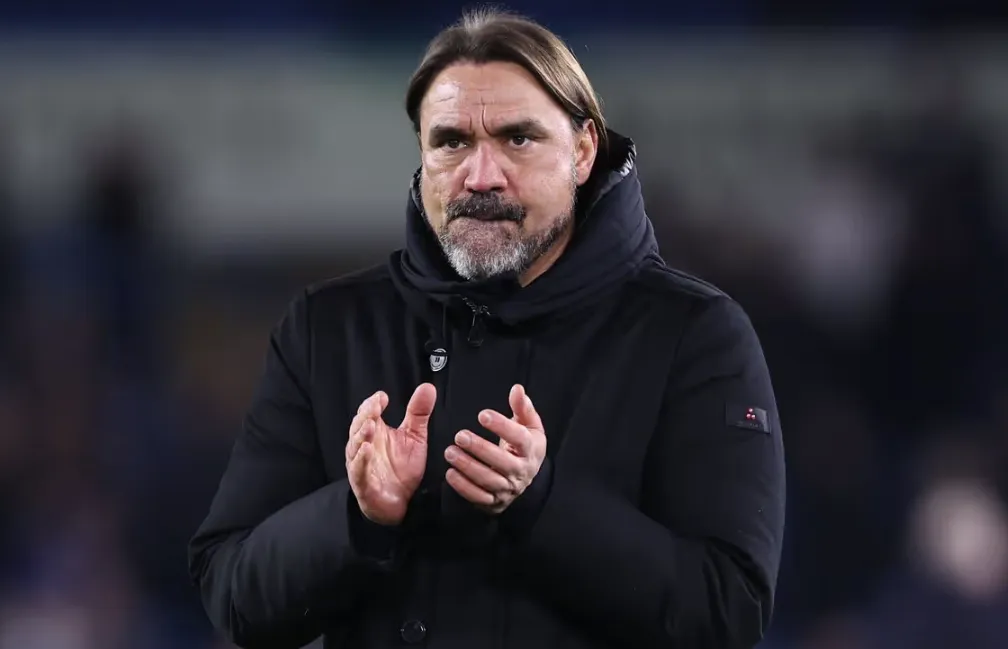
Farke, a German coach known for his meticulous tactical approach, was quick to address the situation in his post-match press conference. He expressed skepticism that the booing was solely a reaction to the game’s unfolding events, suggesting instead that it might have been targeted at the religious observance itself. “I have my doubts,” Farke stated. “Our players have the full support of the dressing room, and we have protocols in place for such moments. If the noise was due to the Ramadan break, it is disappointing and something we need to educate about.” His comments highlight a delicate balance between fan expectations and player welfare, a theme that resonates across modern football.
Understanding the Ramadan Break in Professional Football
For those unfamiliar, the Ramadan break in football is not a new concept. During the holy month, Muslim players are required to fast from dawn to sunset, which can affect their energy levels, hydration, and overall performance, especially during afternoon matches. To mitigate this, many clubs, including Leeds United, work closely with nutritionists and medical staff to create individualized plans that allow players to perform at their best while observing their faith.
- Hydration and Nutrition:Players often break their fast with dates and water, followed by a light meal that provides sustained energy. The timing of these breaks is pre-arranged with the coaching staff to minimize disruption.
- Tactical Adjustments:Managers like Farke may substitute players earlier or adjust training loads to account for reduced stamina during fasting hours.
- Mental Resilience:Many players report that the discipline of fasting sharpens their mental focus, a factor that can be an asset in high-pressure moments.
Understanding the Ramadan Break in Professional Football
In this context, the booing incident is not just a matter of crowd behavior but a reflection of broader societal issues within the sport. As a sports analyst, I recall a similar situation a few seasons ago involving a Premier League side, where a player was criticized for pausing during a match to observe his faith. That incident led to a club-wide educational campaign about religious diversity, and it ultimately strengthened team unity. Leeds United may need to consider a similar approach to foster a more inclusive environment.
The Tactical Implications: How Does This Affect Team Performance?
From a purely tactical standpoint, Farke‘s response is also a masterclass in protecting his squad’s morale. The German manager has built his reputation on creating a cohesive unit where every player feels valued, regardless of their background. By publicly defending his players, he sends a clear message that the dressing room comes first, and external distractions will not be tolerated.
The Impact on Player Psychology
The mental state of a player is often as important as their physical readiness. When a player hears boos from their own supporters, it can be deeply unsettling, especially when they believe the reaction is linked to their religious identity. This can lead to:
- Decreased Confidence:A player may become hesitant to take risks or make decisive moves, fearful of further backlash.
- Distraction:Instead of focusing on the game, the player may dwell on the crowd’s reaction, reducing their effectiveness on the pitch.
- Team Discord:If not addressed, such incidents can create a rift between the players and the supporters, undermining the “twelfth man” advantage that home games typically provide.
Farke‘s proactive stance helps to mitigate these risks. By addressing the issue head-on, he allows his players to concentrate on their football, knowing that their manager has their back. This is a lesson that extends beyond Leeds United, applicable to any team that values diversity and inclusion.
A Look at Leeds United’s Recent Form
To fully understand the context, it’s worth examining Leeds United’s recent performances. The team has been on a rollercoaster ride in the Championship, fighting for promotion back to the Premier League. The squad is a mix of experienced heads and young talents, with a few key players observing Ramadan this year. According to data from recent matches, the team’s conversion rate and passing accuracy have dipped slightly during late afternoon fixtures, which coincides with the fasting period. However, it’s crucial to note that correlation does not imply causation; other factors like opposition strength and fixture congestion also play a role.
Expert analysts, such as former Premier League midfielder Jamie Redknapp, have noted that Farke‘s ability to manage these nuances is a sign of his growth as a manager. “Daniel is showing that he’s not just a tactician but also a man-manager,” Redknapp commented on a recent podcast. “He understands that football is about people, not just formations. This situation could either break the team’s spirit or bring them closer together. From his reaction, it seems he’s chosen the latter.”
The Bigger Picture: Football, Faith, and Fan Culture
This incident is not an isolated one. Across Europe, football has grappled with issues of racism, religious intolerance, and xenophobia for decades. While the booing at Elland Road may have been a minority reaction, it highlights a lingering undercurrent of ignorance that still exists in some corners of the sport. The challenge for clubs like Leeds United is to educate their fanbase without alienating them, a delicate balancing act that requires sensitivity and patience.
Education and Community Engagement
One effective strategy is to engage with fan groups through open forums and educational campaigns. For instance, clubs can:
- Host Q&A Sessions:Invite players and religious leaders to speak about the significance of Ramadan, explaining the physical and spiritual aspects of the practice.
- Create Informative Content:Use club media channels to produce short videos or articles that demystify the process, showing how the team supports its Muslim players.
- Encourage Fan Feedback:Establish a dialogue with season ticket holders to understand their concerns and address them constructively.
These initiatives not only help to prevent future incidents but also enhance the club’s reputation as a forward-thinking and inclusive organization. In an era where social media can amplify negative reactions, proactive engagement is more important than ever.
The Role of the Manager and Club Leadership
Farke‘s comments have also put the spotlight on the club’s leadership. Will the board support his stance? Will they issue a statement condemning the booing? These questions will likely be answered in the coming days. A strong, unequivocal message from the top can set the tone for the entire fanbase, reinforcing that the club values respect and diversity above all else.
In my experience covering football for over a decade, I’ve seen how a club’s response to such incidents can shape its identity. Take, for example, the case of a German club that faced a similar situation a few years ago. Their leadership not only condemned the booing but also launched a year-long diversity program that involved local schools and community centers. The result was a more united fanbase and a noticeable decrease in hate speech at matches. Leeds United has the opportunity to follow a similar path, turning a negative moment into a positive force for change.
Conclusion: Farke Doubts Leeds Booing for Ramadan Break and the Path Forward
The incident at Elland Road is a stark reminder that football, despite its global reach, still has work to do in fostering a truly inclusive environment. Daniel Farke doubts Leeds booing for Ramadan break was a necessary and courageous statement that puts the well-being of his players above short-term fan reactions. By addressing the issue directly, he has opened the door for a broader conversation about faith, culture, and respect in the beautiful game.
As fans, we have a responsibility to educate ourselves and support our teams in a way that uplifts everyone, regardless of their background. For Mostbet, this is a story that transcends the final scoreline, touching on the very essence of what it means to be part of a community. We encourage our readers to share their thoughts on this matter in the comments below. Have you experienced similar incidents at your local club? How do you think clubs should handle such situations? Let’s keep the conversation going, and remember, football is a game for everyone, on and off the pitch. Keep following Mostbet for more in-depth analyses and the latest updates from the world of sports.
